
For decades, the development of Saudi Arabia’s cities was primarily driven by government spending. Today, a new era of public-private partnership is unfolding. The Ministry of Municipalities and Housing is opening vast real estate and service opportunities, repositioning the private sector as a core architect of urban growth. But as the framework evolves, how can investors best navigate this changing landscape?
back
What Saudi Arabia’s Municipal Reforms Mean for Investors
share on :


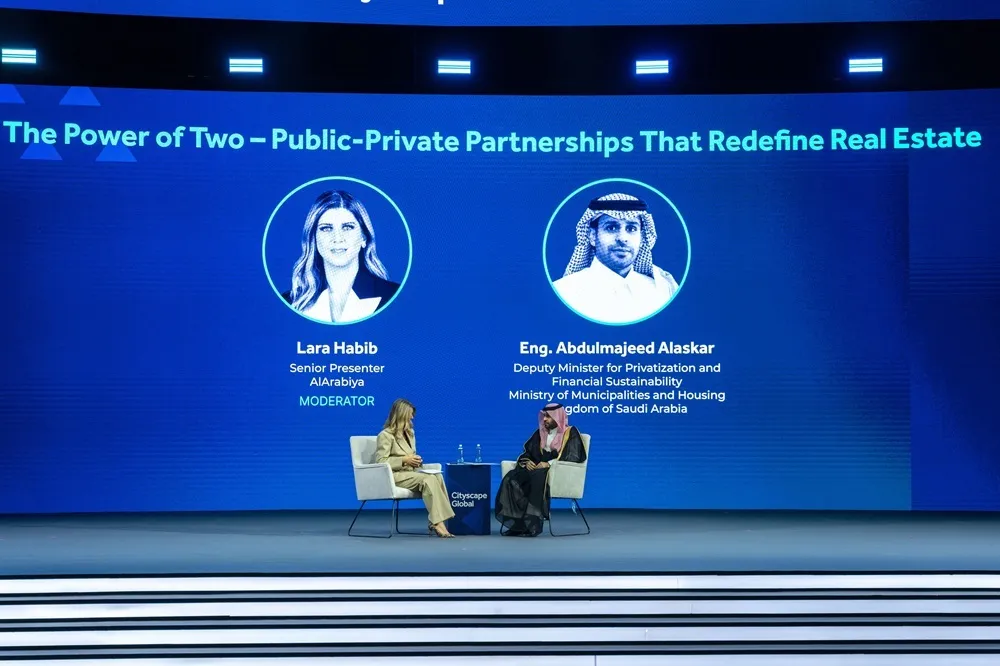
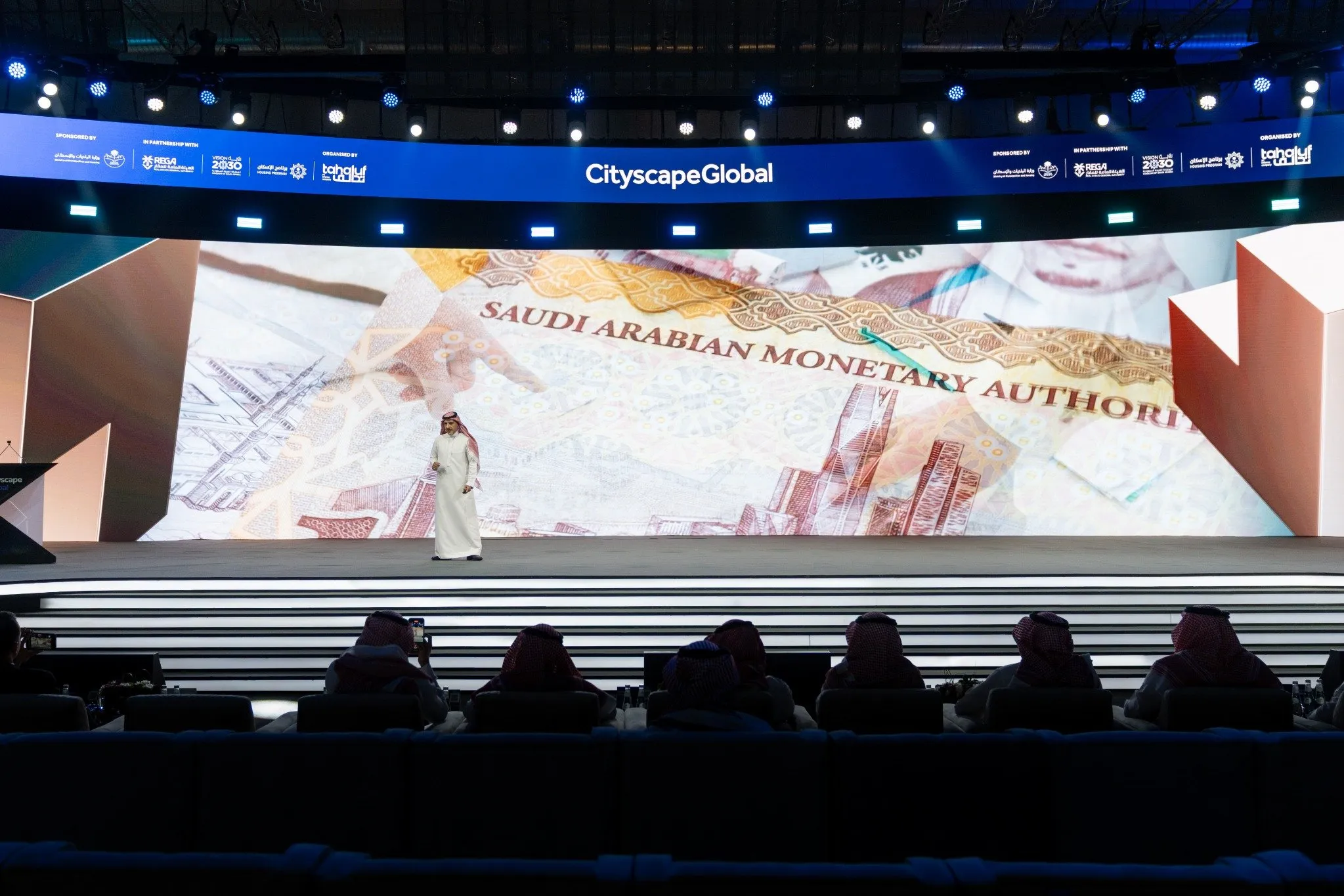
At Cityscape Global 2025, Eng. Abdulmajeed Alaskar, Deputy Minister for Privatisation and Financial Sustainability at the Ministry of Municipalities and Housing, outlined the strategic initiatives designed to increase the attractiveness of the municipal sector. From extended contract terms to the digitisation of investment processes, the focus is on creating a resilient, transparent, and human-centric urban environment.
1.Modernising the Legislative Framework
The foundation of the Ministry's strategy lies in the updated Regulation for the Disposal of Municipal Real Estate. This legislative shift provides greater security and flexibility for investors, moving away from rigid, short-term models to long-term partnerships.
Key enhancements include:
- Extended Contract Durations: Investment contracts, which were previously limited to shorter periods, can now extend up to 50 years
- Increased Grace Periods: Preparation and construction periods, exempt from financial fees, have been doubled from 5% to 10% of the total contract duration. For a 50-year contract, this provides a five-year window for development
- Reduced Financial Barriers: Performance bonds required from investors have been significantly lowered from 100% of the first year's investment value to just 25%
- Support for SMEs: New provisions allow for the temporary leasing of small projects, supporting small and medium-sized enterprises, particularly during seasonal city events
2.The Furas Platform: A Digital Gateway to Opportunity
Transparency and competition are central to the Ministry’s digital transformation. The Furas platform has evolved from a simple announcement site into a fully automated real estate ecosystem.
The platform now manages the entire investment lifecycle, including competition announcements, enquiries, bank guarantee submissions, technical and financial committee reviews, and the final signing of contracts. With over 1,000 registered local and international investors, the platform has seen thousands of opportunities offered across the Kingdom. This automation has not only improved the investor experience but has also increased competition, ensuring that the most suitable partners are selected for city development.
3.Revitalising Urban Life Through Public Parks
A primary focus of the municipal investment strategy is the development and maintenance of public parks. Historically, a challenging sector due to the overlap of multiple stakeholders, the Ministry has introduced new models to ensure these projects are both attractive and sustainable.
- The 25% Commercial Model: Investors are permitted to utilise 25% of a park's area for commercial activities, such as restaurants, hotels, or sports facilities. Revenue from these activities helps fund the ongoing maintenance and operation of the park, reducing the financial burden on the government
- Dedicated Investment Funds: A new investment fund, governed by the Capital Market Authority, is expected to launch in the first quarter of 2026. This fund aims to professionalise park management by bringing together developers, operators, and low-yield social investors under a single, governed framework
4. Privatising Municipal Services
The Ministry has set an ambitious target to privatise 70% of municipal services. Currently, approximately 40% of these services have been transitioned to the private sector, focusing on improving service quality and spending efficiency.
Recent milestones in privatisation include:
- Digital Platforms: Managing and developing the municipal sector's digital infrastructure through income-sharing models
- Supervisory Roles: Privatising the monitoring of health standards, markets, and construction work to increase compliance and reduce visual distortion in cities
- Technical Labs and Waste Management: Transitioning road-testing laboratories and landfill operations to private operators, shifting these activities from cost centres to revenue-generating partnerships
5.Emerging Trends and Overcoming Challenges
The Ministry's analysis of market demand shows a significant shift toward new sectors. While traditional real estate development remains strong, there is a growing appetite for data centres, healthcare facilities, private education, and renewable energy projects.
To further boost the sector’s attractiveness, the Ministry is actively addressing historical barriers:
- Banking and Finance: Collaborative efforts with the banking sector are underway to create alternative guarantee structures, as municipal land cannot be traditionally mortgaged. A new consensus with banks is expected by early 2027 to facilitate large-scale project financing
- Investment Arms: The establishment of municipal investment companies allows for more complex partnership models, such as land equity, which are not possible under standard government systems
- Contract Renewals: Upcoming regulations are expected to allow for contract extensions during their current term, giving investors the confidence to inject more capital and operational expertise
“The goal of municipal investment is city development and meeting the city's needs...creating job opportunities for the sons and daughters of the province and the village.” - Eng. Abdulmajeed Alaskar
Join the Conversation at Cityscape Global.
The transformation of Saudi Arabia’s urban core is a shared journey. As the municipal sector moves toward greater efficiency and innovation, the private sector's role has never been more vital.
Be part of the vision at Cityscape Global.
- When: 16-19 November 2026
- Where: Riyadh, Saudi Arabia
- Get Your Pass: Here
Related ARTICLES

Top 5 Benefits of Real Estate Investment
Real estate is one of the best ways to build wealth. There’s a very high chance of generating a significant return, and you don't need as much capital to get started compared to other investment strategies.
Top 5 Saudi Arabia Real Estate Market Trends
The Saudi Arabian real estate market is booming. Across the Kingdom, projects worth an estimated $1.06tn are planned or under construction. The country makes up over 60% of the total real estate project value in the Middle East.
5 Best Real Estate Investment Analysis Software Tools in 2024
Making smart investment decisions is all about having the right information at your fingertips. You need to understand how a property will likely perform and what that could mean for your ROI.
Top 5 Reasons to Invest in Saudi Arabia Real Estate
Saudi Arabia is one of the most exciting real estate markets globally. The Kingdom’s Vision 2030 plan and sweeping economic reforms have made it a prime destination for international investors.
Top 5 Advantages of Living in Saudi Arabia
Saudi Arabia is one of the best places to live and work in the Middle East. It offers a rich cultural heritage, modern amenities, and a growing economy.
5 Things You Need to Know Before Buying Real Estate in Saudi Arabia
Saudi Arabia's real estate market is becoming one of the most exciting in the world. With strong economic growth and attractive rental yields, it's no surprise that more and more investors are looking at the Kingdom.
5 Most Profitable Types of Real Estate Investments
Real estate investing offers a lot of opportunities. Whether you’re interested in renting out a small apartment or owning a big commercial building, the goal is to earn a good return on your investment.
Top 5 Real Estate Software to Boost Your Business in the UAE
The UAE’s real estate market is booming. With a strong economy, strategic location, and investor-friendly policies, the country is attracting international real estate investors like never before.
Top 5 Real Estate Technology Trends in 2024
The real estate industry is changing fast, with technology leading the way. By 2032, the global proptech market is set to hit $89.93 billion, showing just how important these innovations are becoming.
5 Best Ways to Invest in Real Estate for Passive Income
Not into managing tenants or fixing up properties? No problem. You can still invest in real estate passively and build your portfolio without the daily grind of property management.
5 Ways to Evaluate Real Estate Investment Opportunities
Thinking about buying a property and wondering if it's a smart move? Real estate can be a great way to build wealth, but there are a few important things to consider before you jump in.
Top 5 Saudi Real Estate and Infrastructure Projects Shaping the Future
Saudi Arabia's Vision 2030 has crossed the halfway mark, and the Kingdom is charging ahead with over $1.25 trillion invested in transformative real estate and infrastructure projects.
Software Solutions for Managing Commercial Real Estate Properties
Managing commercial real estate is no small task. With complex leases, financial reporting, tenant communications, and constant maintenance demands, it’s easy to feel overwhelmed.
5 Best Property Investment Strategies You Need to Know
Investing in property is a proven way to build wealth. But success doesn’t come through luck or taking blind risks. You need a clear, strategic approach to maximize your returns.
Cityscape Global 2024 to welcome over 400 exhibitors with Future of Living in focus
The organizers have outlined plans to attract institutional investors with $1 trillion in fund value
RIBA and the Gulf region
The Royal Institute of British Architects (RIBA) is a global professional membership body driving excellence in architecture. We serve our members and society to deliver better buildings and places, stronger communities and a sustainable environment. Being inclusive, ethical, environmentally aware and collaborative underpins all that we do.
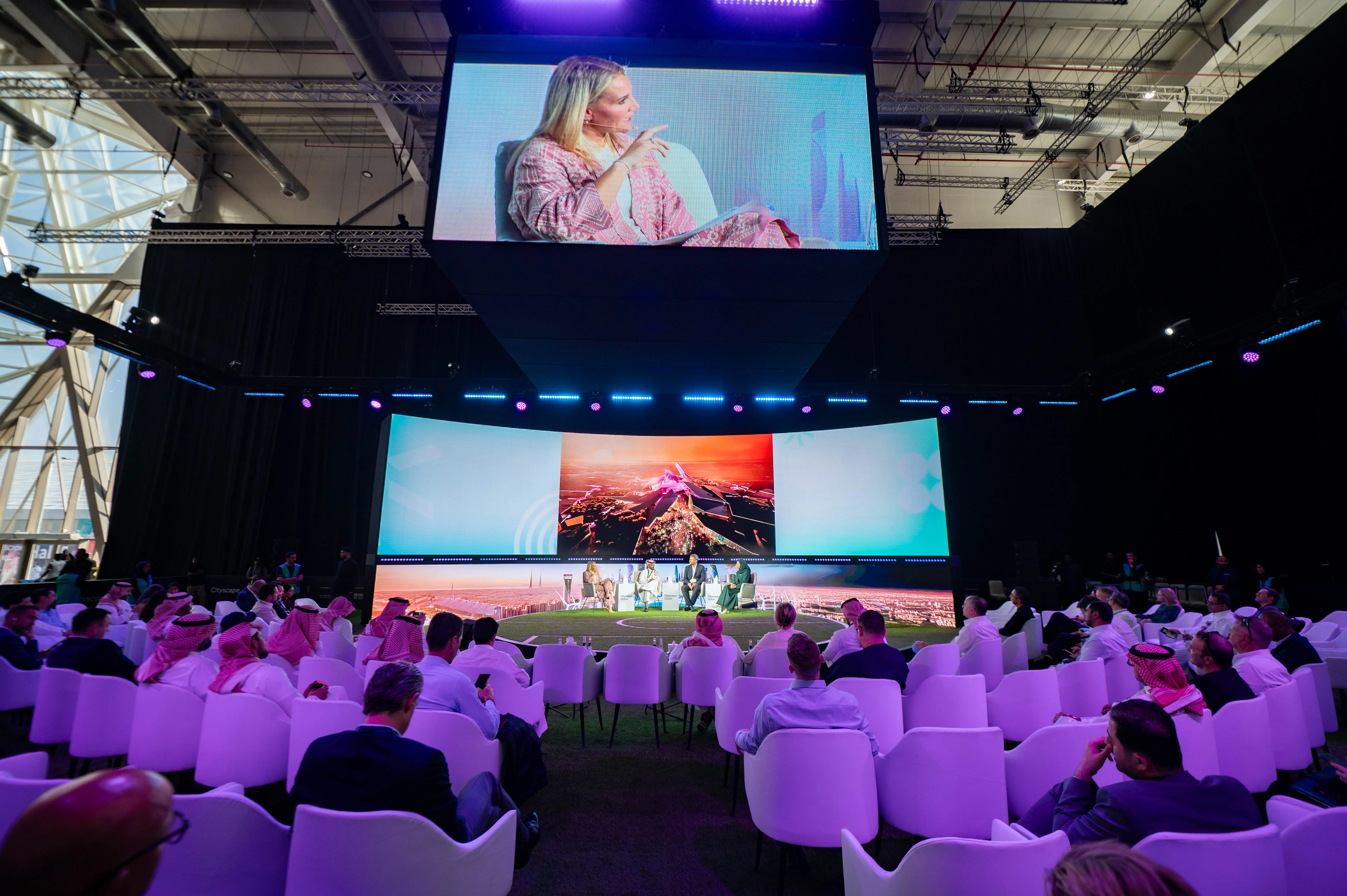
Inside Saudi Arabia’s Stadium Revolution: Mega Projects Reshaping Sports Infrastructure
The Rise of World-Class Stadiums in Saudi Arabia
Saudi Arabia is ushering in a new era of sports infrastructure, with visionary stadium projects that blend cutting-edge architecture, urban integration, and community engagement.As the kingdom continues its transformation into a global sports hub, these developments are not just about hosting world-class events—they are reshaping the urban landscape, creating multi-functional spaces that serve communities year- round.
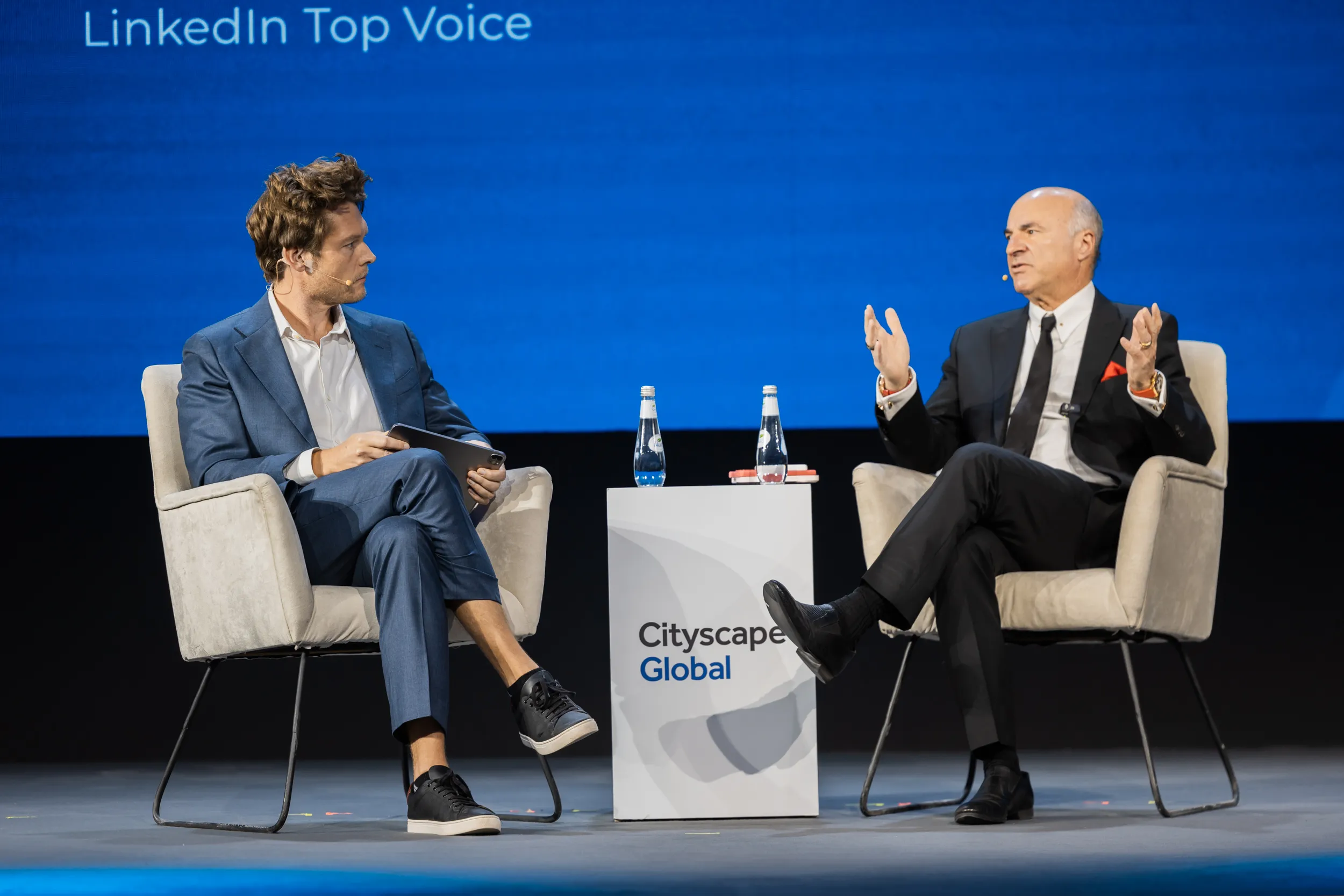
Saudi Arabia: A Global Investment Powerhouse – Insights from Kevin O’Leary
In a rapidly evolving global economy, investors are constantly seeking growth, stability, and opportunity. Kevin O’Leary, a seasoned investor and entrepreneur, recently shared his insights on global investment landscapes during Cityscape Global in Riyadh. His approach underscores the importance of stability, transparency, and adaptability in real estate and technology-driven investments.
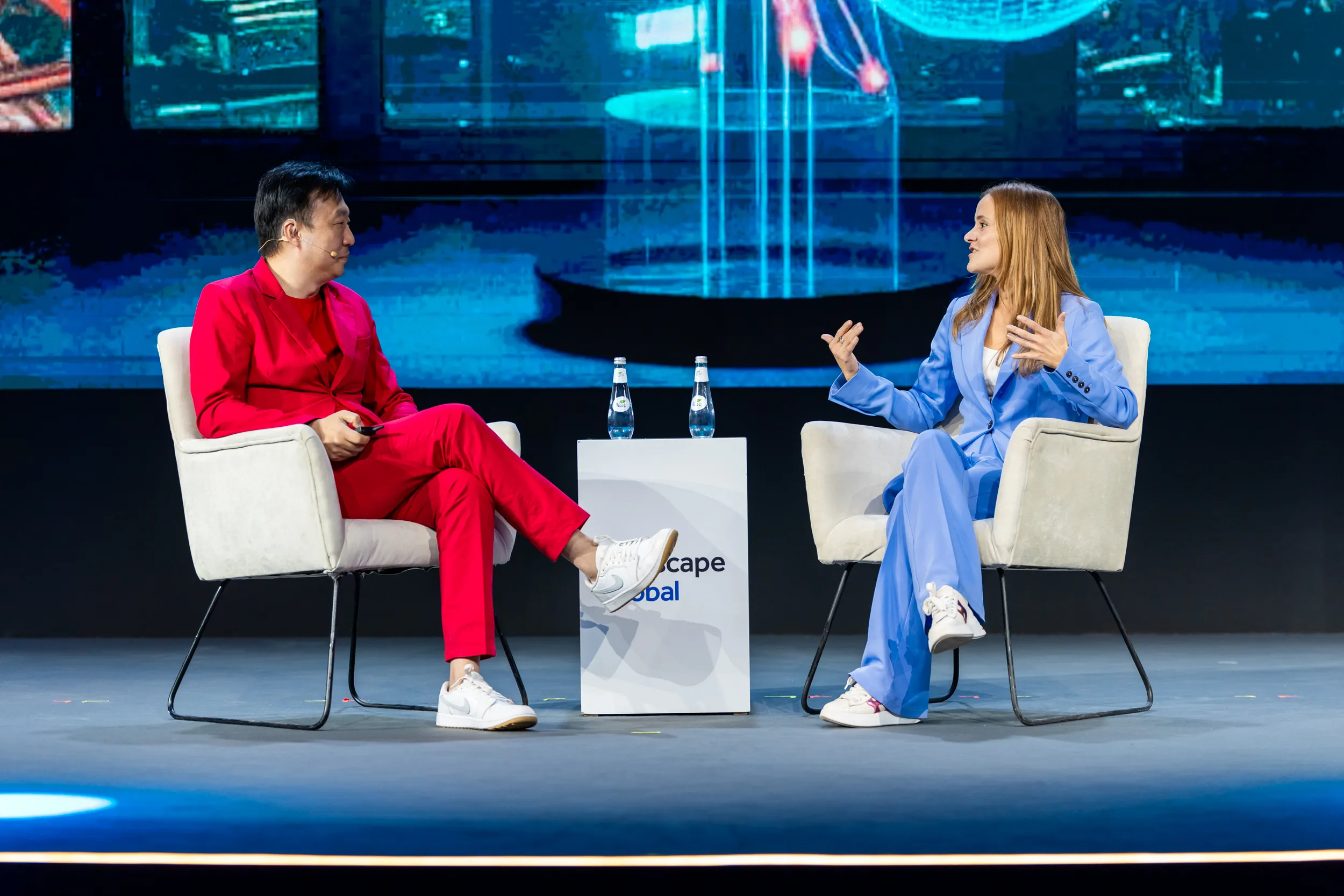
Future Gazing: 10 Predictions for 2050 and Beyond
The world is accelerating towards a future where artificial intelligence, automation, and sustainability shape the very fabric of our societies. As we navigate the complex challenges of urbanization, climate change, and technological disruption, the question is no longer if the future will change, but how we will adapt to it. Looking ahead to 2050, here are ten bold predictions that will define the next era of human progress.
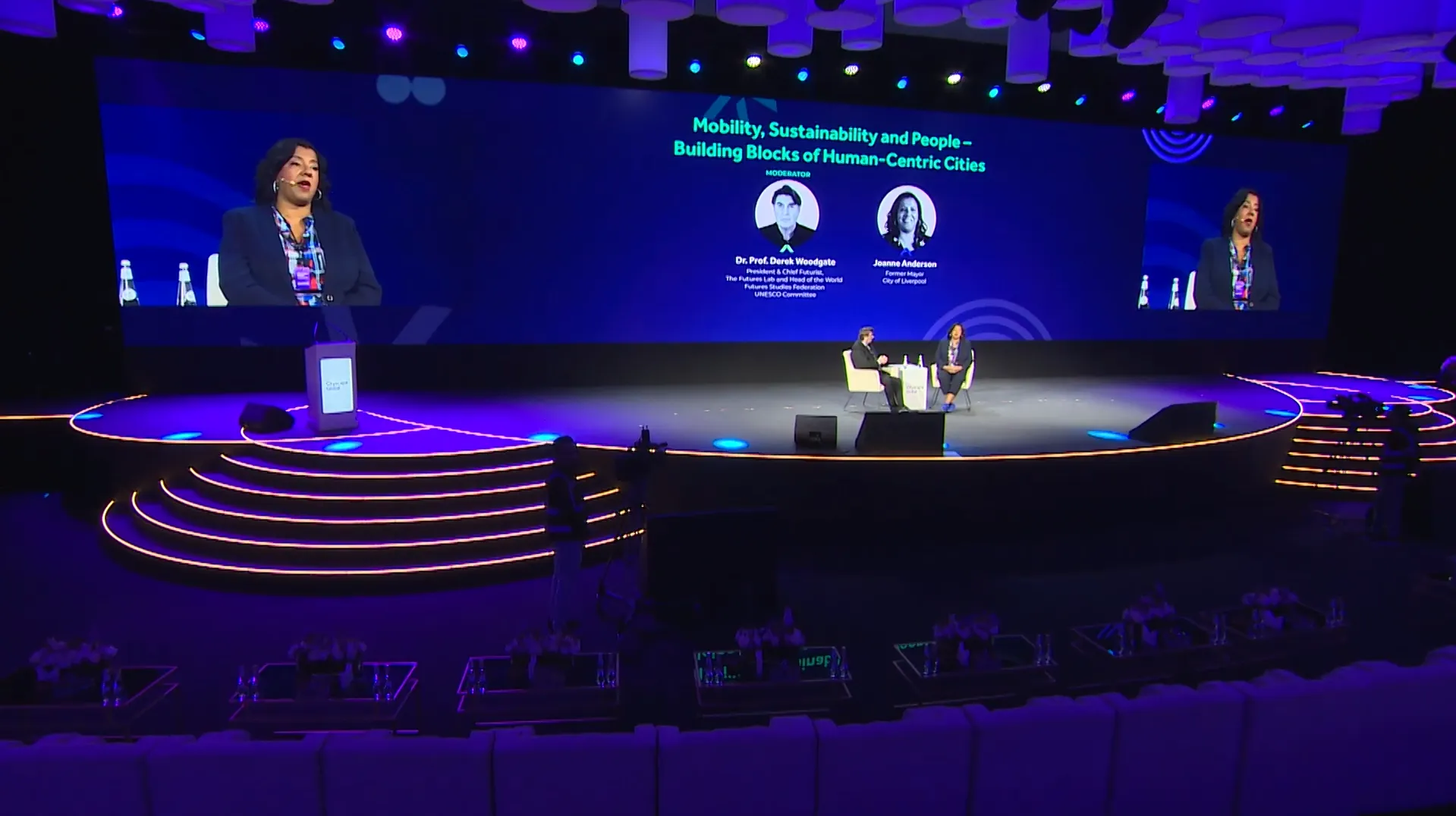
Smart, But Human: A Renowned Futurist and Former Mayor’s Vision for Cities
The global conversation around smart cities has long been dominated by infrastructure, automation, and data. Yet, in our pursuit of technologically advanced urban environments, are we losing sight of what makes cities truly thrive – their people?
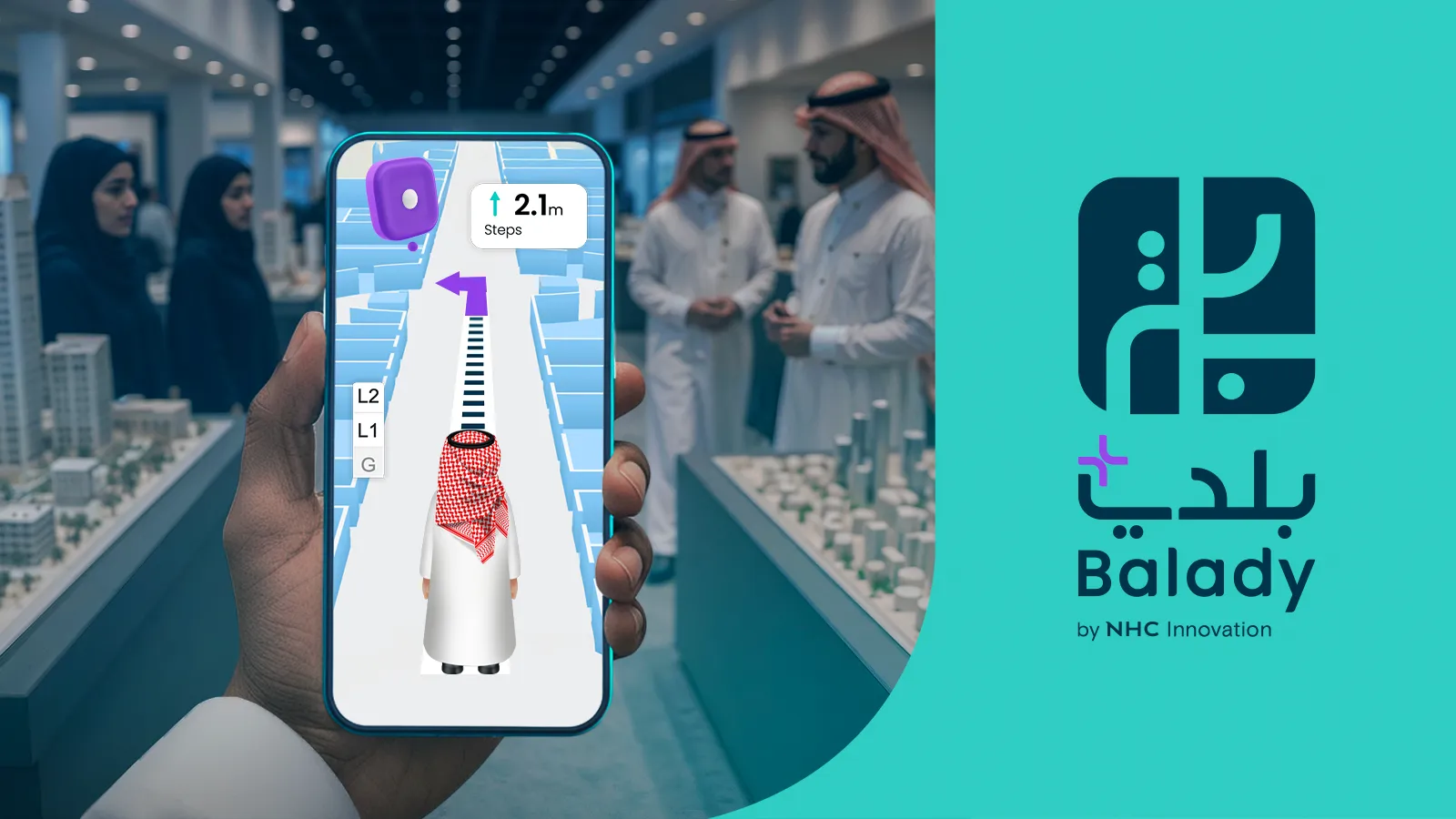
Balady+ is the Official Navigation Partner at Cityscape Global 2025
Balady, a subsidiary of NHC Innovation, is participating in Cityscape Global 2025 as the Official Navigation Partner through Balady+, the mobile app. It aims to enhance visitors’ experiences by enabling seamless movement within the exhibition through the Indoor Navigation Feature, allowing guests to effortlessly find their way between booths and zones for a more efficient visit.
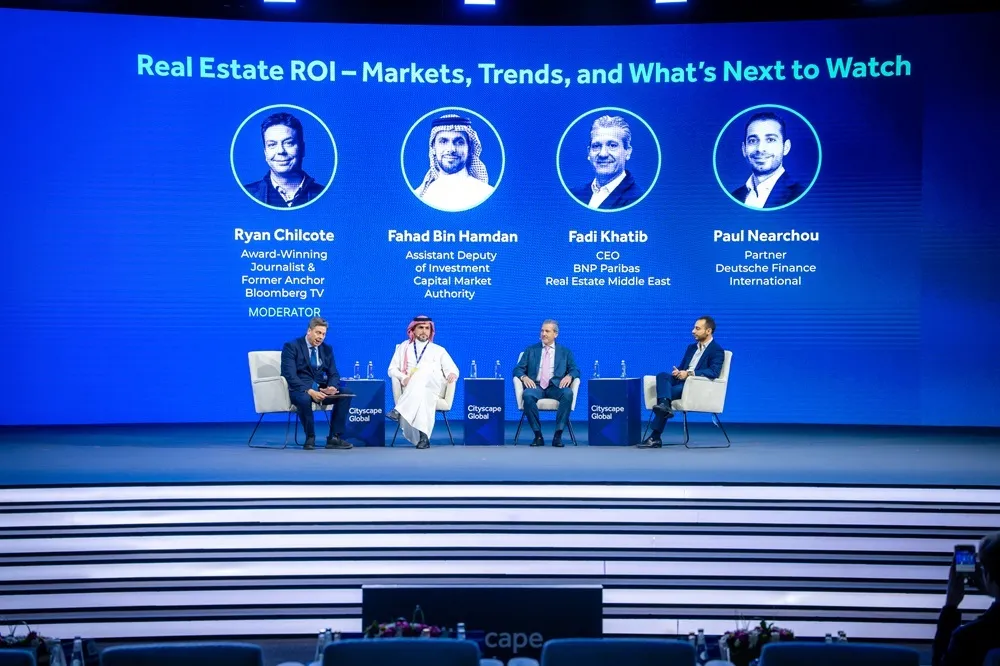
What Global Real Estate Investors Are Backing in the Next Decade
As macroeconomic signals shift and new technologies emerge, the world's most seasoned investors are moving beyond traditional boundaries. In a high-stakes discussion at Cityscape Global 2025, real estate asset managers and regulators revealed where capital is flowing, which sectors are truly "AI-resilient", and why the future of investment may lie in the democratisation of ownership. The big question remains: in a post-zero-rate world, how do you outperform the market?
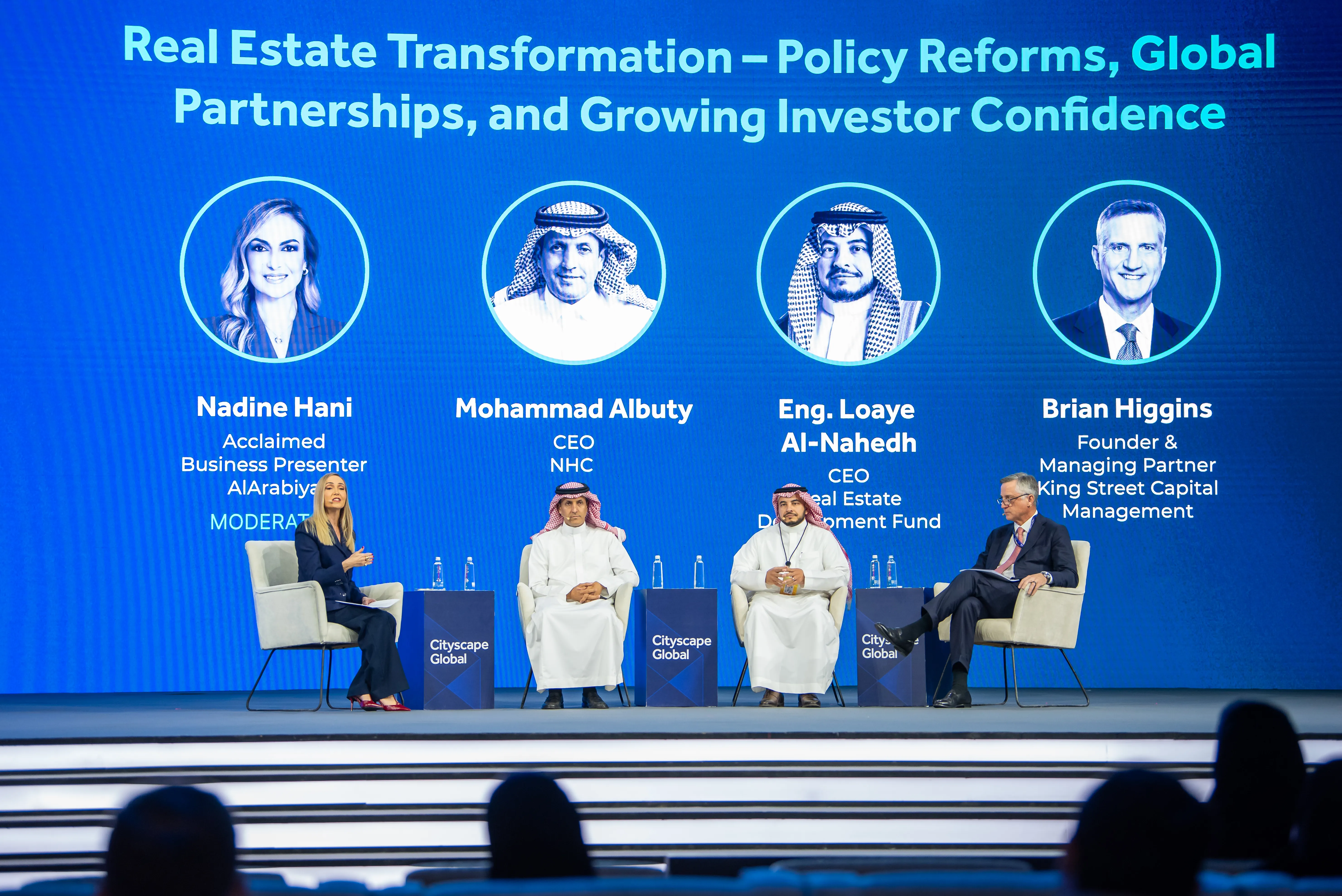
Saudi Real Estate Is Becoming an Investment Destination – Not Just a Source of Capital
With home ownership in the Kingdom having already reached 65%, the focus of Saudi Vision 2030 is shifting from rapid growth to long-term sustainability. The challenge now lies in evolving the financial ecosystem to meet a 70% ownership target. But as the market matures and opens to global capital, how are policy reforms and innovative financing models paving the way for the next phase of the real estate revolution?
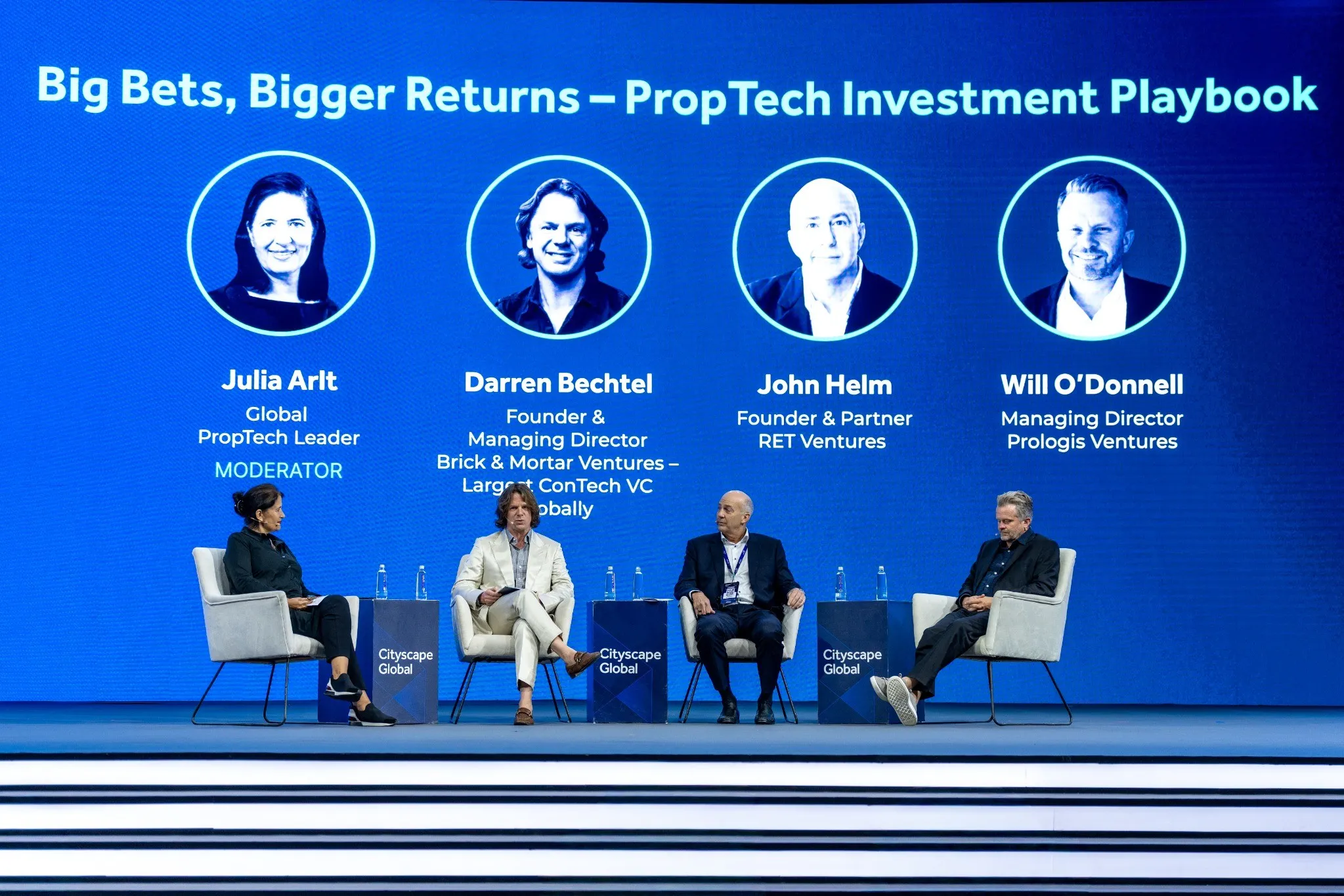
Green Concrete, Microgrids, Predictive Analytics – What VCs Are Betting on Now
Innovation occurs when you remove constraints. In the world of the built environment, those constraints have traditionally been physical, financial, and regulatory. But as global capital seeks outsized returns in an era of higher costs, the PropTech playbook is being rewritten. At a high-stakes session at Cityscape Global, three of the world’s leading venture capitalists revealed where the smart money is moving and why the future of real estate lies in the perfect marriage of bits and atoms.
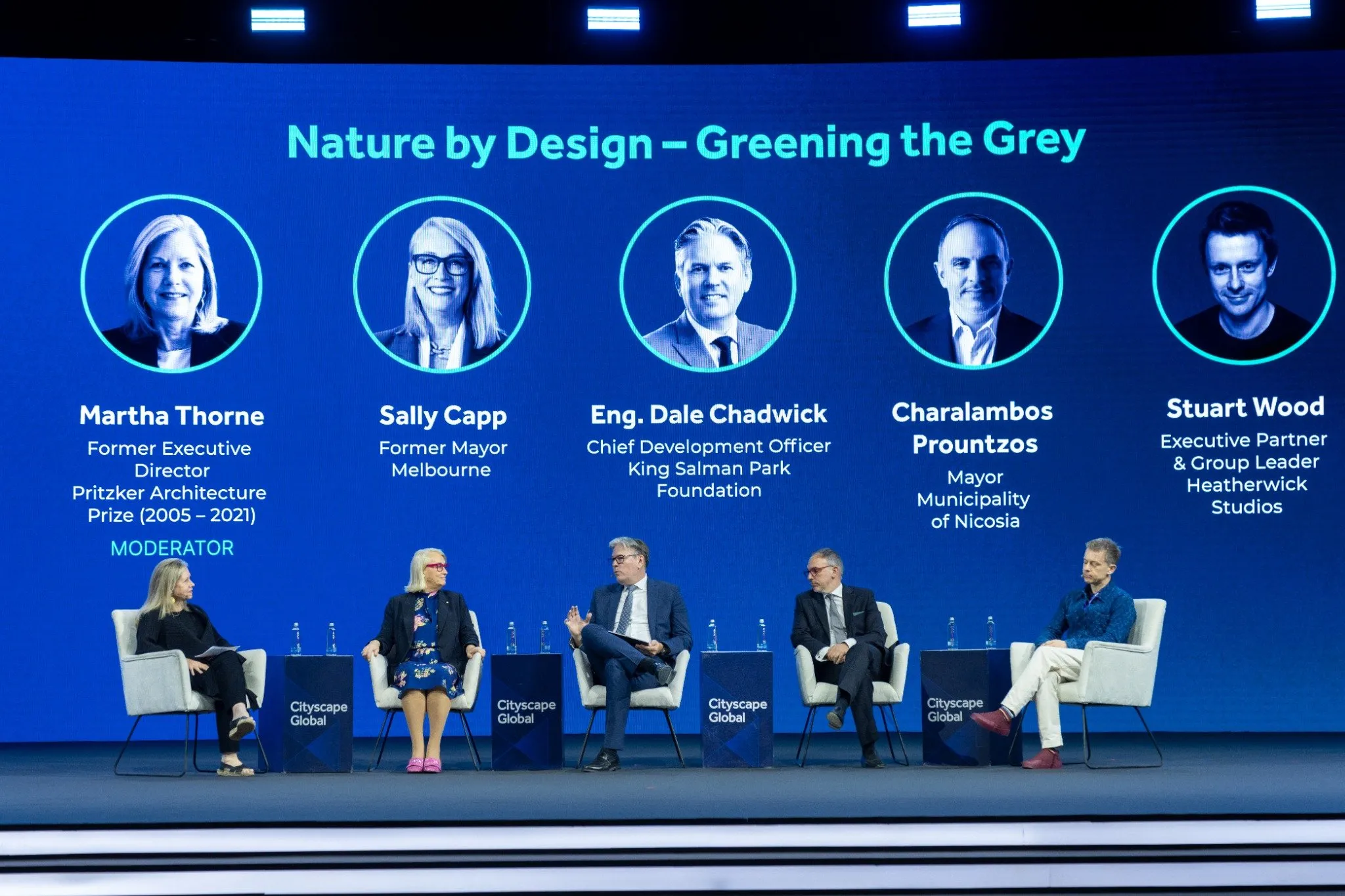
Why Green Infrastructure Is Becoming Cities’ Best Investment
For decades, urban development was synonymous with concrete, glass, and steel. But as cities grow denser and global temperatures rise, the 'monoculture' of the modern metropolis is being challenged. At a high-energy session at Cityscape Global, government leaders and design experts discussed a fundamental shift – nature is no longer a luxury add-on; it is an essential infrastructure for human survival and economic resilience.
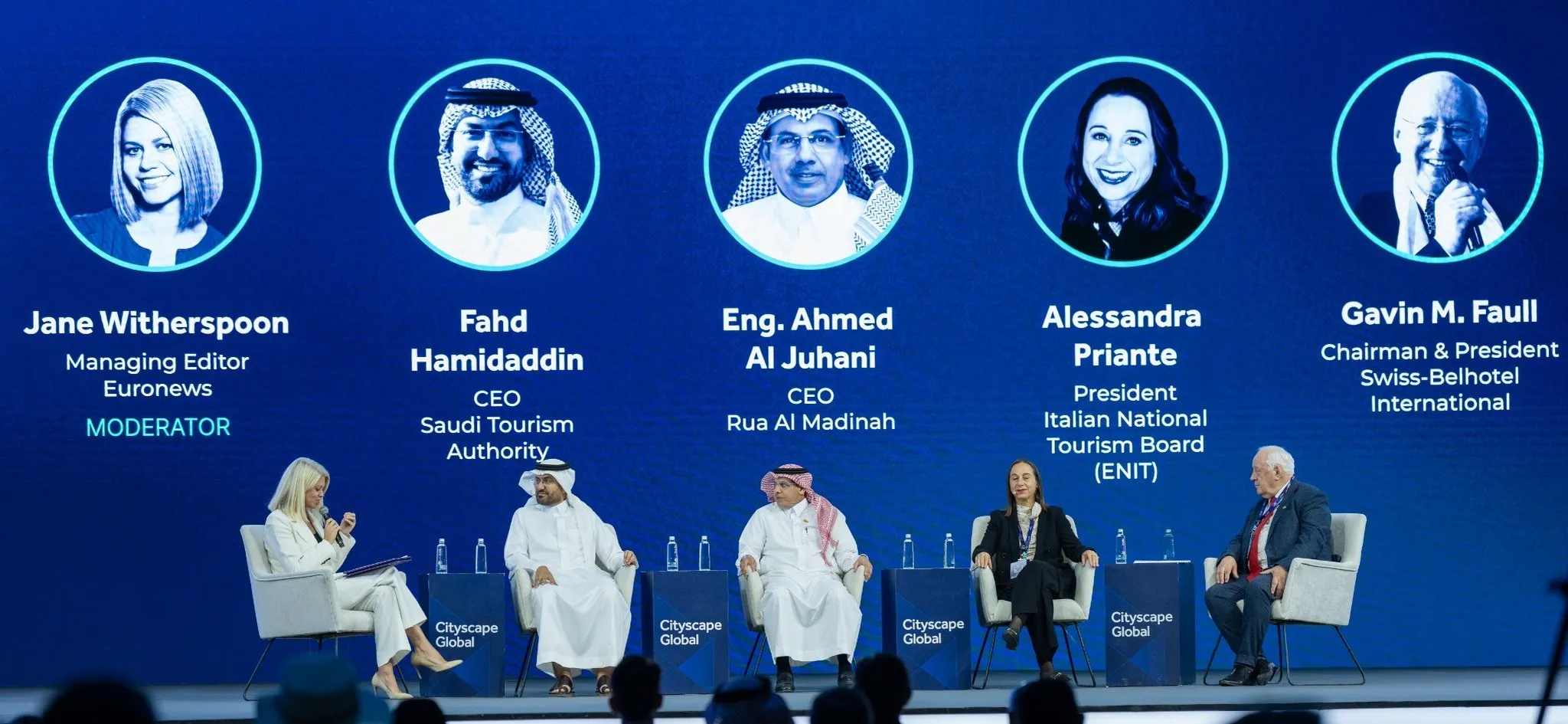
Five Principles Behind the World’s Most Successful Mega-Events
In the high-stakes world of city branding, mega-events are the ultimate catalysts. From the Winter Olympics to World Expos, these moments do more than capture global headlines; they reshape the very fabric of the host cities. But as the lights dim and the crowds depart, the real challenge begins: how do you transform a temporary surge into a permanent legacy of growth, tourism, and infrastructure?
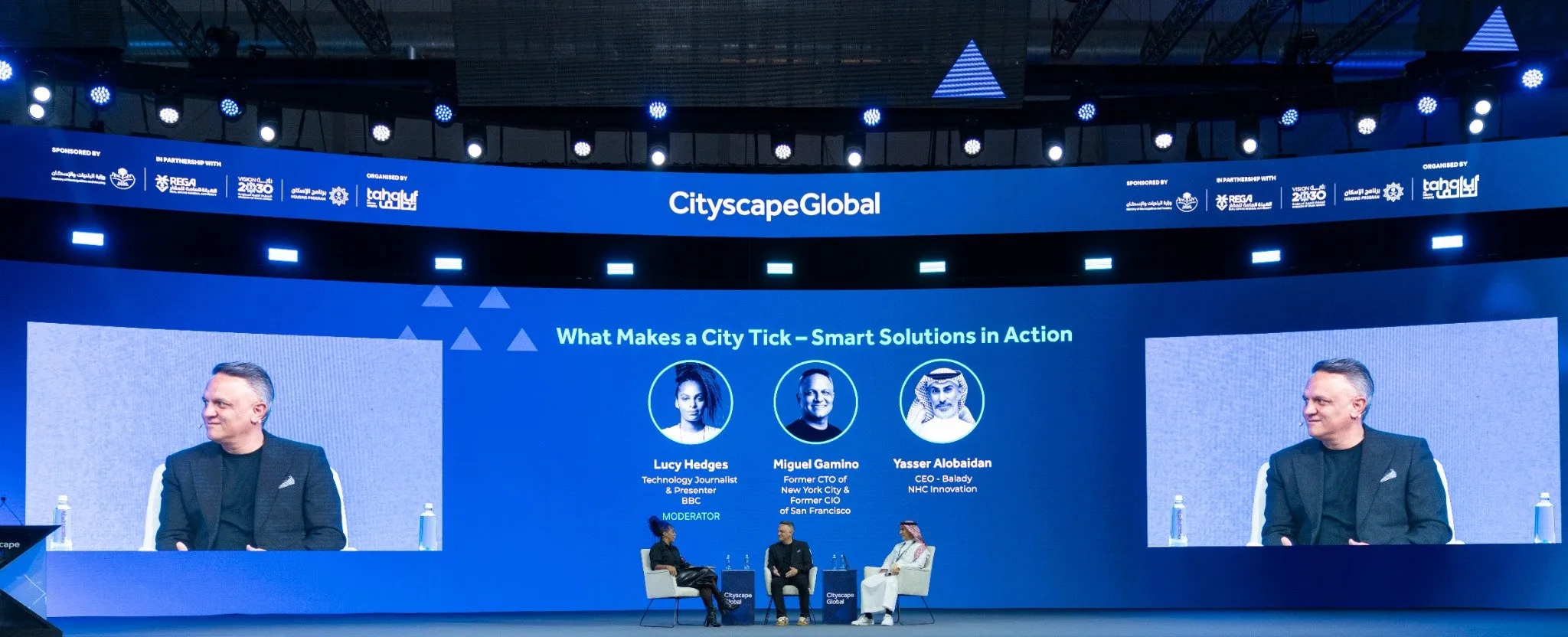
A Smart City Isn’t About Data – It’s About Quality of Life
In the race to build the 'smartest' city, it is easy to get lost in the sea of high-speed sensors, massive data sets, and automated infrastructure. But the true measure of a future-ready city isn't found in its database; it's found in the quality of life it offers its residents. At Cityscape Global 2025, two of the world's leading voices in urban tech challenged the conventional definition of innovation: if technology doesn't solve a real human problem, is it truly smart?
From Illiquid to Investable: How Saudi Arabia is Rewriting the Rules of Real Estate
The global real estate industry, valued at an astounding $400 trillion, is on the brink of a transformative revolution. Historically plagued by illiquidity and inefficiencies, the sector is now being redefined by groundbreaking initiatives introduced under Saudi Arabia's Vision 2030. At the heart of this transformation is the Real Estate Registry (RER), a national entity established by the Public Investment Fund (PIF) and the Saudi government, which is pioneering the standardization of real estate tokenization and fractional ownership. This bold vision is not just reshaping the local market but is opening doors for global investors to participate in a new era of real estate innovation
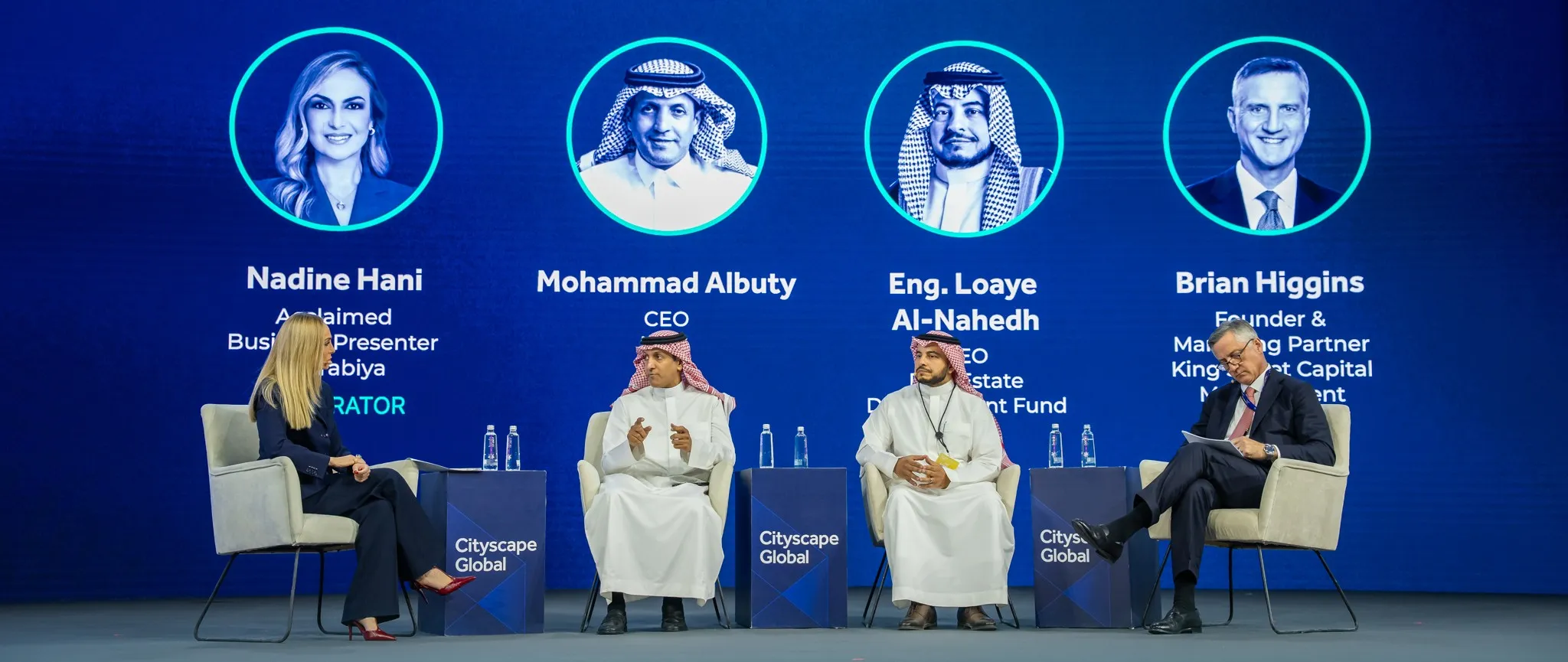
Saudi Arabia’s Real Estate: Renaissance Policy Reforms and Global Investment
Saudi Arabia’s real estate sector is entering a new era, driven by ambitious reforms, rising investor confidence, and a bold vision for sustainable growth. From expanding homeownership and attracting global partnerships to unlocking opportunities in PropTech, digitisation, and large-scale developments, the Kingdom is rapidly positioning itself as one of the world’s most dynamic real estate markets.
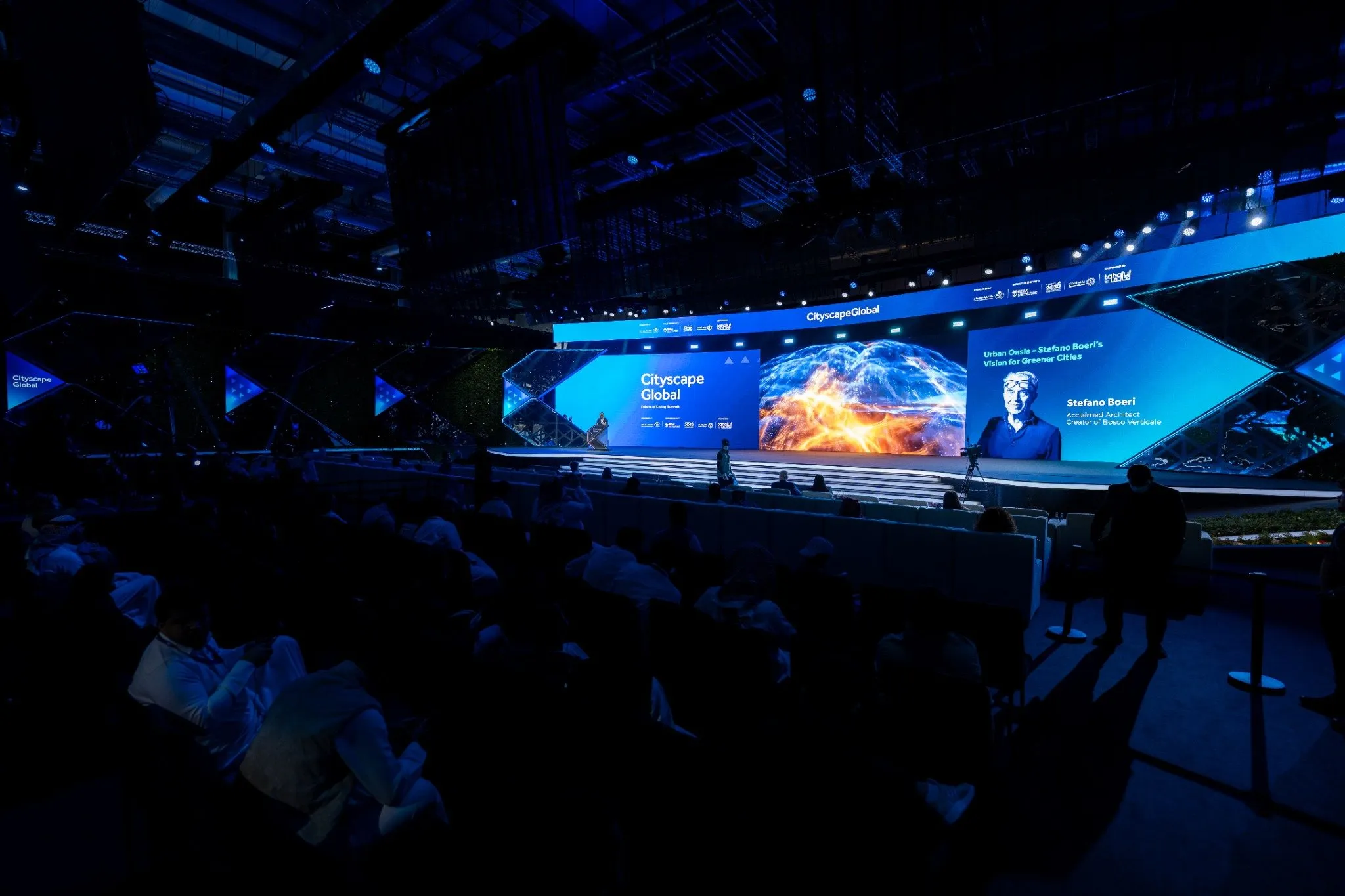
Cities Without Nature Won’t Survive – Stefano Boeri’s Plan for Green Architecture
From vertical forests to planetary green corridors, architect and urban planner Stefano Boeri challenges cities to rethink their relationship with nature – not just as an aesthetic layer, but as a condition for human survival. In the push to modernise cities, has nature become optional?
