
In the race to build the 'smartest' city, it is easy to get lost in the sea of high-speed sensors, massive data sets, and automated infrastructure. But the true measure of a future-ready city isn't found in its database; it's found in the quality of life it offers its residents. At Cityscape Global 2025, two of the world's leading voices in urban tech challenged the conventional definition of innovation: if technology doesn't solve a real human problem, is it truly smart?
back
A Smart City Isn’t About Data – It’s About Quality of Life
share on :


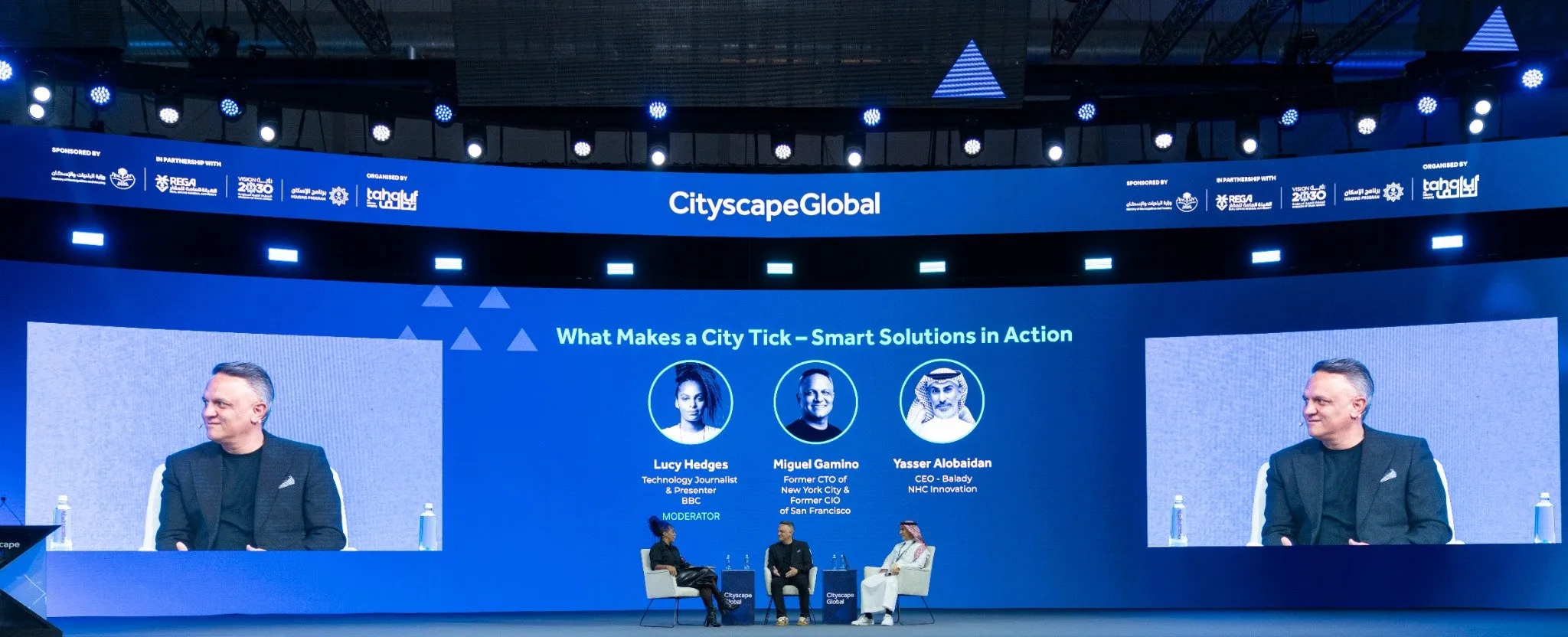
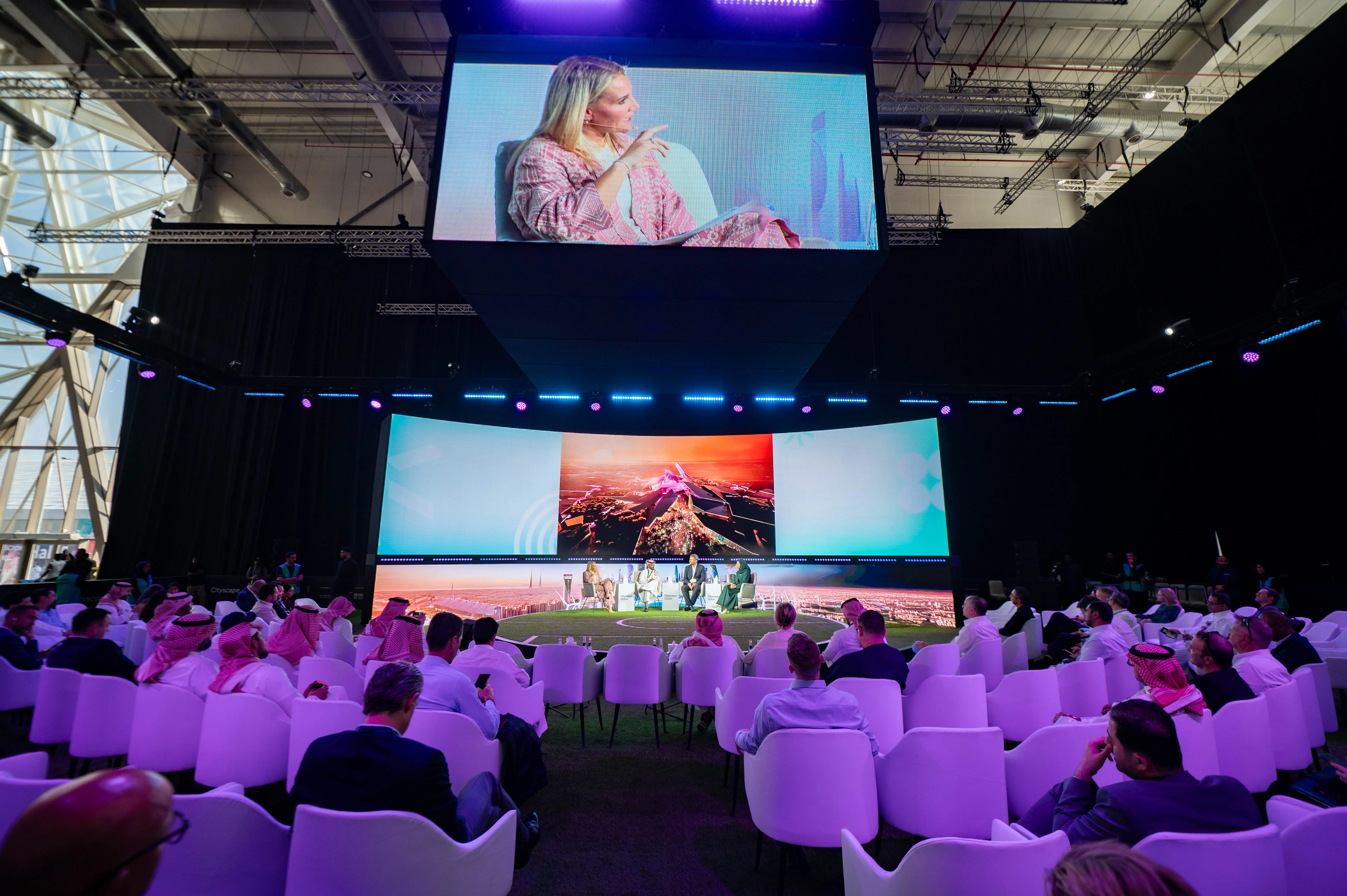
The evolution of urban life is currently navigating a perfect storm of rapid technological change and rising citizen expectations. Yasser Alobaidan (CEO – Balady, NHC Innovation) and Miguel Gamino (Former CTO of New York City and Former CIO of San Francisco) sat down to discuss the blueprint for cities that aren't just more connected, but more inclusive and resilient.
1. The Experience Economy: Systems Over Solutions
For decades, the 'smart city' was viewed as a collection of individual projects – smart trash cans, connected traffic lights, or digital kiosks. However, the paradigm is shifting toward integrated systems that prioritise the human experience.
Miguel Gamino argued that technology is merely a tool for a broader objective: “It’s not about a solution, it’s about a system. These things aren’t about concrete. They’re about experiences.” Cities that succeed are those that began with a people-first approach a decade ago, treating technology as an enabler for service delivery rather than an end in itself.
2. The Triple Strategy: Self, Society, and Systems
In Saudi Arabia, the digital transformation of cities is being built almost from the ground up, guided by a singular KPI: the quality of life. Yasser Alobaidan detailed the Triple S strategy that drives Balady – the national municipal services platform:
- Self: Creating wellness and self-services that empower individuals to improve their own lives and those of their families
- Society: Building community-level systems that encourage a sense of belonging and participation
- Systems: Working closely with government to establish the policy frameworks and governance required to support urban innovation
This structured approach ensures that innovation is not just a hype but a practical response to the diverse needs of different regions, from the heritage-rich streets of AlUla to the pilgrim-focused infrastructure of Makkah.
3. Closing the Trust Gap
As cities become increasingly data-driven, the relationship between the resident and the regulator hinges on a single factor: trust. When a city uses data to save a resident time or treat them with dignity, trust is built. When that data disappears into a black box with no clear benefit, that trust evaporates
To bridge this trust gap, Gamino highlighted the success of initiatives like NYCX, where city officials went directly into neighbourhoods to ask residents for their top concerns. “If you do it authentically, then you get an authentic engagement and response,” he noted. By involving the public in the solutioning process, cities ensure that the problems they are solving are the ones people actually have.
- Open Space: 63% of the land is dedicated to open space, with only 37% for vertical assets
- Smart Navigation: Building colours and lighting shift from bright near the mosque to 'darker' further away, intuitively guiding the 149,000 visitors the project will accommodate
- Seamless Pedestrianism: Five major pedestrian corridors, some up to 60 metres wide, allow crowds to reach the mosque without crossing vehicle traffic
4. Beyond Connectivity: Productivity and Knowledge
While universal connectivity remains a critical foundation, the next frontier for smart cities is enhancing human productivity through data. Alobaidan pointed to CityView, a decision-support centre that uses AI and mega-data to analyse the impact of urban developments on everything from parking to sustainability.
However, productivity requires more than just high-speed networks; it requires knowledge. The challenge for the new generation is not accessing data, which is more abundant than ever but converting that data into tools for creativity. This is where technologies like Blockchain come into play, moving beyond crypto to enable Real World Assets and fractional ownership, allowing residents to literally own a piece of their city's hospitality or residential assets.
5. Unification and the User Experience
What does the future hold for the world's urban centres? The panel agreed that the next step is the unification of the urban experience.
- Seamless Gateways: Miguel Gamino stressed the need for a unified gateway to city services that is as intuitive as any other part of a resident's digital life
- National Platforms: Yasser Alobaidan identified the need for national-scale SaaS (Software as a Service) models to enable innovation without duplicating costs and infrastructure
- Purpose-Led AI: Both speakers cautioned against box-ticking AI projects, insisting that every automated decision must be connected to a long-term human goal
“A truly smart city is focused on people.” Miguel Gamino
Join the Conversation at Cityscape Global 2026
The transformation of Saudi Arabia’s urban core is a shared journey. As the municipal sector moves toward greater efficiency and innovation, the private sector's role has never been more vital.
Be part of the vision at Cityscape Global 2026.
- When: 16-19 November 2026
- Where: Riyadh, Saudi Arabia
- Get Your Pass: Here
Related ARTICLES
Top 5 Benefits of Real Estate Investment
Real estate is one of the best ways to build wealth. There’s a very high chance of generating a significant return, and you don't need as much capital to get started compared to other investment strategies.
Top 5 Saudi Arabia Real Estate Market Trends
The Saudi Arabian real estate market is booming. Across the Kingdom, projects worth an estimated $1.06tn are planned or under construction. The country makes up over 60% of the total real estate project value in the Middle East.
5 Best Real Estate Investment Analysis Software Tools in 2024
Making smart investment decisions is all about having the right information at your fingertips. You need to understand how a property will likely perform and what that could mean for your ROI.
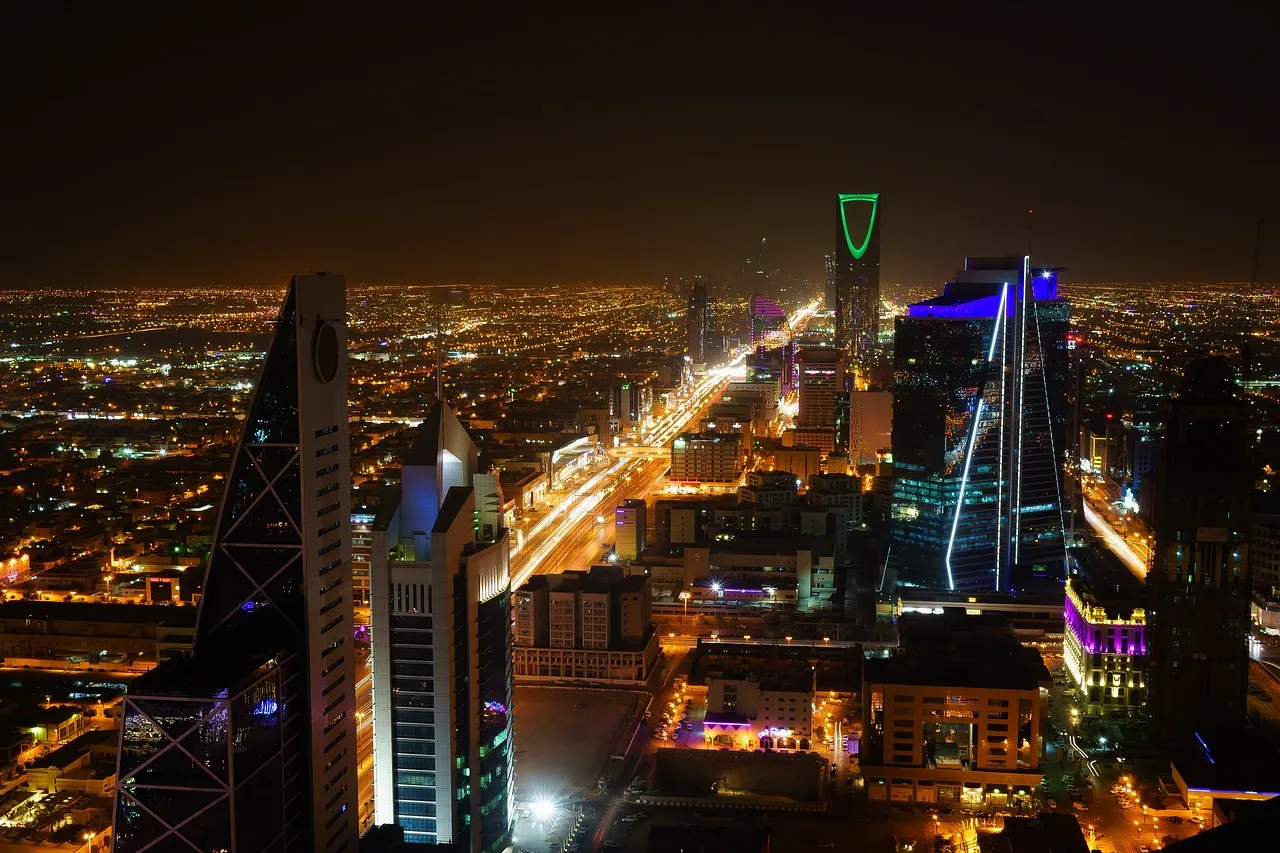
Top 5 Reasons to Invest in Saudi Arabia Real Estate
Saudi Arabia is one of the most exciting real estate markets globally. The Kingdom’s Vision 2030 plan and sweeping economic reforms have made it a prime destination for international investors.
Top 5 Advantages of Living in Saudi Arabia
Saudi Arabia is one of the best places to live and work in the Middle East. It offers a rich cultural heritage, modern amenities, and a growing economy.
5 Things You Need to Know Before Buying Real Estate in Saudi Arabia
Saudi Arabia's real estate market is becoming one of the most exciting in the world. With strong economic growth and attractive rental yields, it's no surprise that more and more investors are looking at the Kingdom.
5 Most Profitable Types of Real Estate Investments
Real estate investing offers a lot of opportunities. Whether you’re interested in renting out a small apartment or owning a big commercial building, the goal is to earn a good return on your investment.
Top 5 Real Estate Software to Boost Your Business in the UAE
The UAE’s real estate market is booming. With a strong economy, strategic location, and investor-friendly policies, the country is attracting international real estate investors like never before.
Top 5 Real Estate Technology Trends in 2024
The real estate industry is changing fast, with technology leading the way. By 2032, the global proptech market is set to hit $89.93 billion, showing just how important these innovations are becoming.
5 Best Ways to Invest in Real Estate for Passive Income
Not into managing tenants or fixing up properties? No problem. You can still invest in real estate passively and build your portfolio without the daily grind of property management.
5 Ways to Evaluate Real Estate Investment Opportunities
Thinking about buying a property and wondering if it's a smart move? Real estate can be a great way to build wealth, but there are a few important things to consider before you jump in.
Top 5 Saudi Real Estate and Infrastructure Projects Shaping the Future
Saudi Arabia's Vision 2030 has crossed the halfway mark, and the Kingdom is charging ahead with over $1.25 trillion invested in transformative real estate and infrastructure projects.
Software Solutions for Managing Commercial Real Estate Properties
Managing commercial real estate is no small task. With complex leases, financial reporting, tenant communications, and constant maintenance demands, it’s easy to feel overwhelmed.
5 Best Property Investment Strategies You Need to Know
Investing in property is a proven way to build wealth. But success doesn’t come through luck or taking blind risks. You need a clear, strategic approach to maximize your returns.
Cityscape Global 2024 to welcome over 400 exhibitors with Future of Living in focus
The organizers have outlined plans to attract institutional investors with $1 trillion in fund value
RIBA and the Gulf region
The Royal Institute of British Architects (RIBA) is a global professional membership body driving excellence in architecture. We serve our members and society to deliver better buildings and places, stronger communities and a sustainable environment. Being inclusive, ethical, environmentally aware and collaborative underpins all that we do.
Inside Saudi Arabia’s Stadium Revolution: Mega Projects Reshaping Sports Infrastructure
The Rise of World-Class Stadiums in Saudi Arabia
Saudi Arabia is ushering in a new era of sports infrastructure, with visionary stadium projects that blend cutting-edge architecture, urban integration, and community engagement.As the kingdom continues its transformation into a global sports hub, these developments are not just about hosting world-class events—they are reshaping the urban landscape, creating multi-functional spaces that serve communities year- round.
Saudi Arabia: A Global Investment Powerhouse – Insights from Kevin O’Leary
In a rapidly evolving global economy, investors are constantly seeking growth, stability, and opportunity. Kevin O’Leary, a seasoned investor and entrepreneur, recently shared his insights on global investment landscapes during Cityscape Global in Riyadh. His approach underscores the importance of stability, transparency, and adaptability in real estate and technology-driven investments.
Future Gazing: 10 Predictions for 2050 and Beyond
The world is accelerating towards a future where artificial intelligence, automation, and sustainability shape the very fabric of our societies. As we navigate the complex challenges of urbanization, climate change, and technological disruption, the question is no longer if the future will change, but how we will adapt to it. Looking ahead to 2050, here are ten bold predictions that will define the next era of human progress.
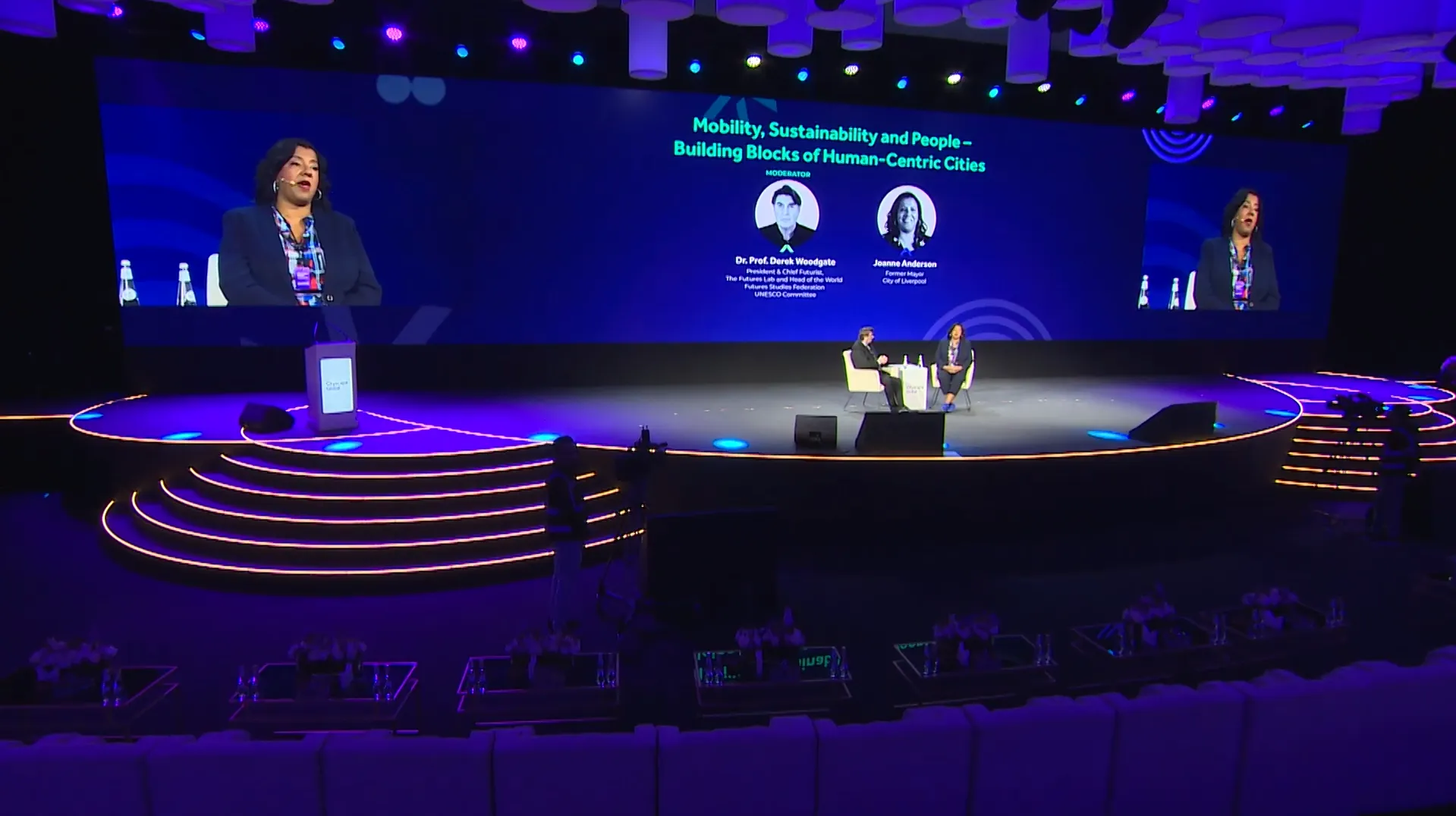
Smart, But Human: A Renowned Futurist and Former Mayor’s Vision for Cities
The global conversation around smart cities has long been dominated by infrastructure, automation, and data. Yet, in our pursuit of technologically advanced urban environments, are we losing sight of what makes cities truly thrive – their people?
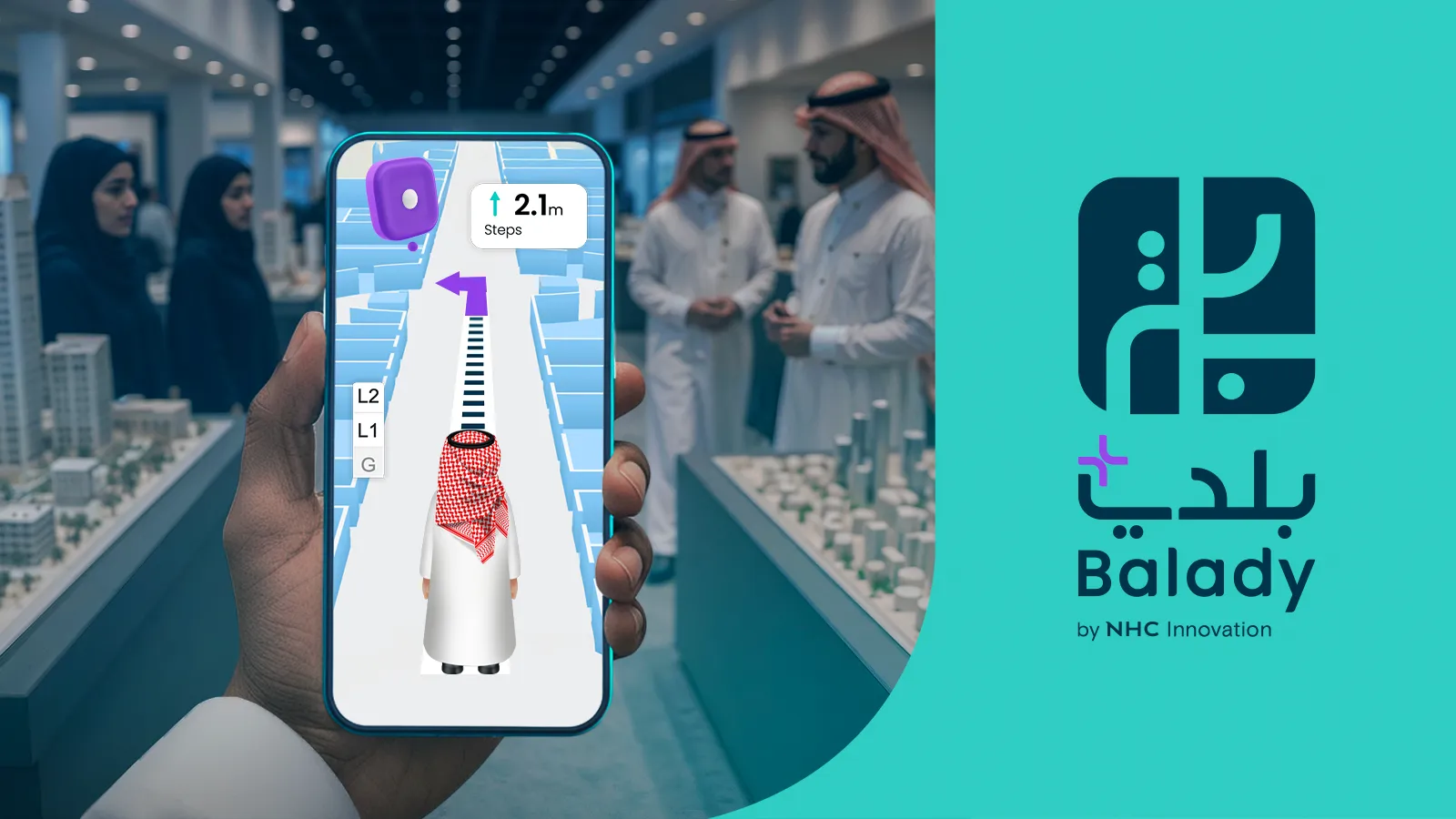
Balady+ is the Official Navigation Partner at Cityscape Global 2025
Balady, a subsidiary of NHC Innovation, is participating in Cityscape Global 2025 as the Official Navigation Partner through Balady+, the mobile app. It aims to enhance visitors’ experiences by enabling seamless movement within the exhibition through the Indoor Navigation Feature, allowing guests to effortlessly find their way between booths and zones for a more efficient visit.
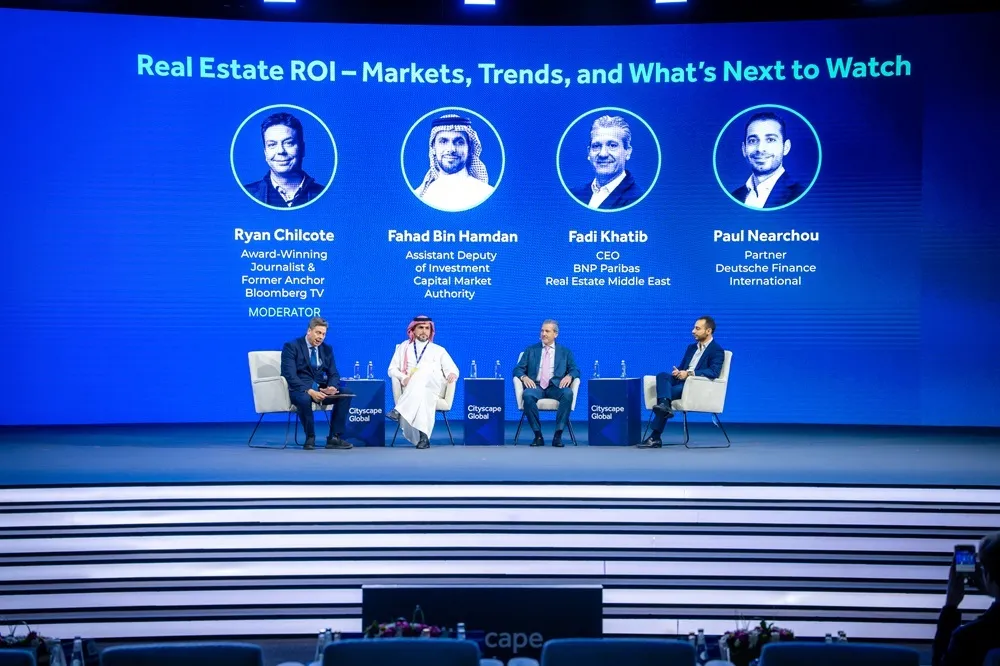
What Global Real Estate Investors Are Backing in the Next Decade
As macroeconomic signals shift and new technologies emerge, the world's most seasoned investors are moving beyond traditional boundaries. In a high-stakes discussion at Cityscape Global 2025, real estate asset managers and regulators revealed where capital is flowing, which sectors are truly "AI-resilient", and why the future of investment may lie in the democratisation of ownership. The big question remains: in a post-zero-rate world, how do you outperform the market?
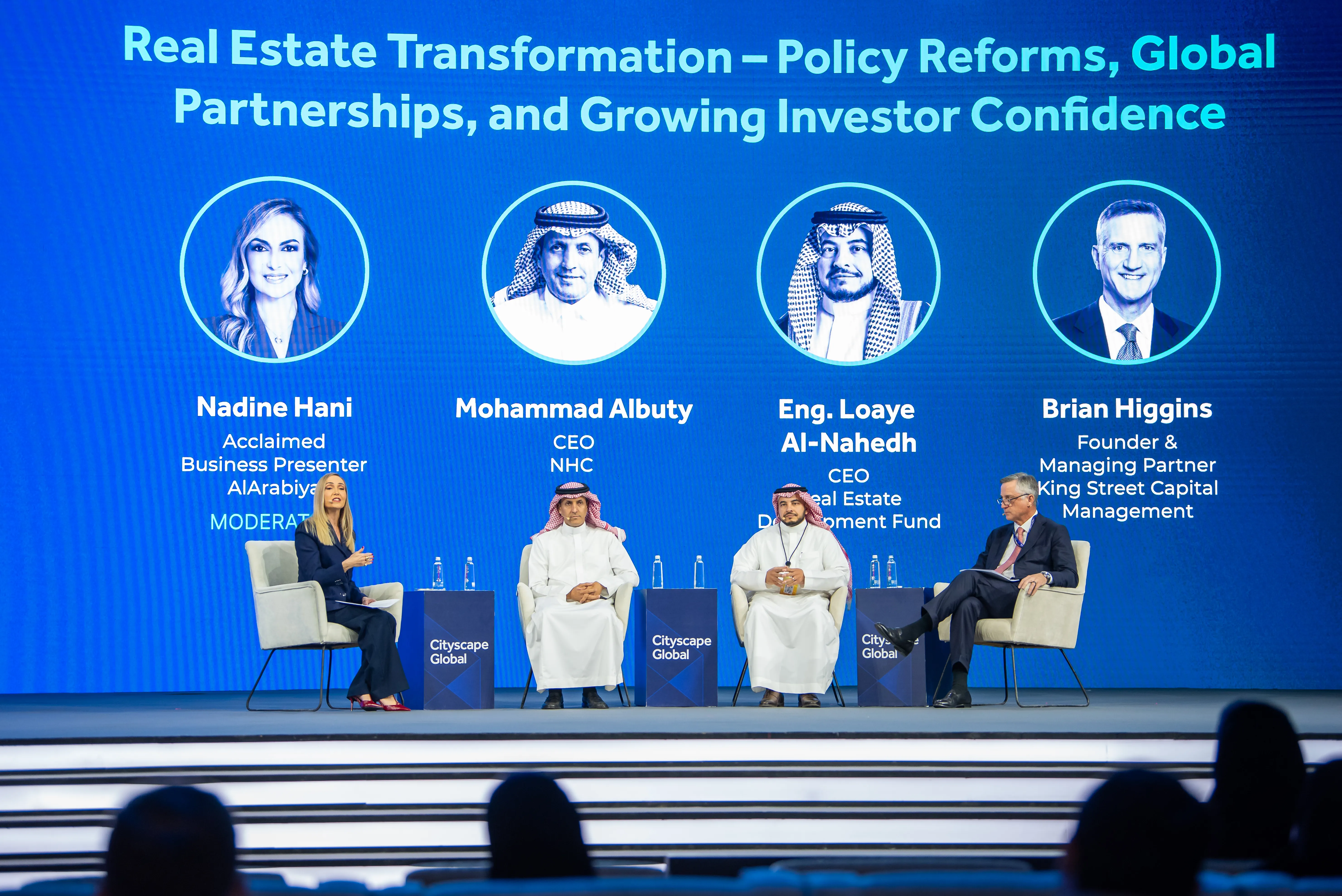
Saudi Real Estate Is Becoming an Investment Destination – Not Just a Source of Capital
With home ownership in the Kingdom having already reached 65%, the focus of Saudi Vision 2030 is shifting from rapid growth to long-term sustainability. The challenge now lies in evolving the financial ecosystem to meet a 70% ownership target. But as the market matures and opens to global capital, how are policy reforms and innovative financing models paving the way for the next phase of the real estate revolution?
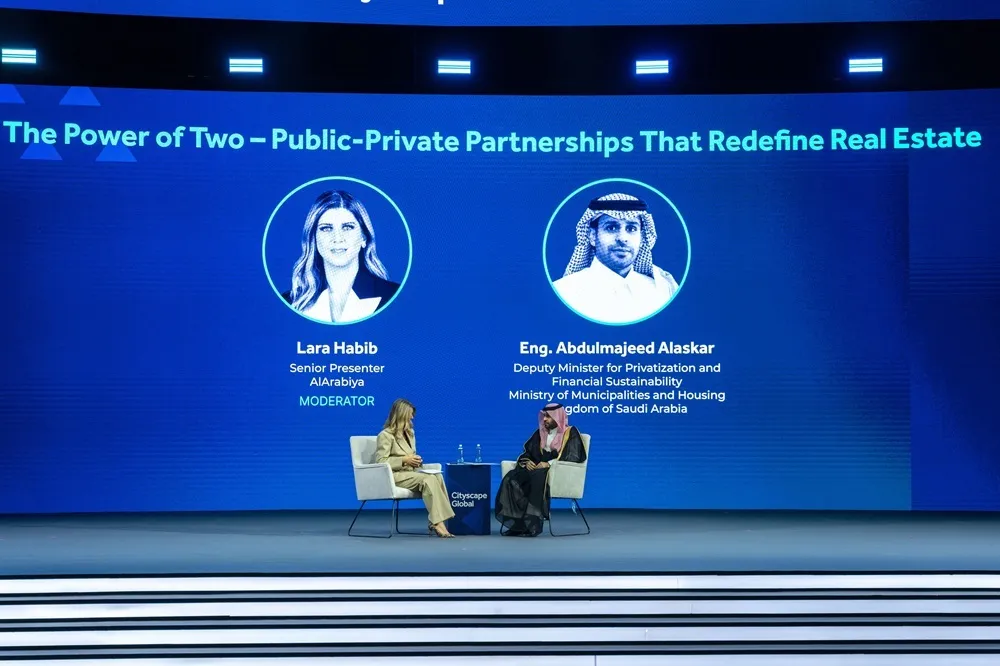
What Saudi Arabia’s Municipal Reforms Mean for Investors
For decades, the development of Saudi Arabia’s cities was primarily driven by government spending. Today, a new era of public-private partnership is unfolding. The Ministry of Municipalities and Housing is opening vast real estate and service opportunities, repositioning the private sector as a core architect of urban growth. But as the framework evolves, how can investors best navigate this changing landscape?
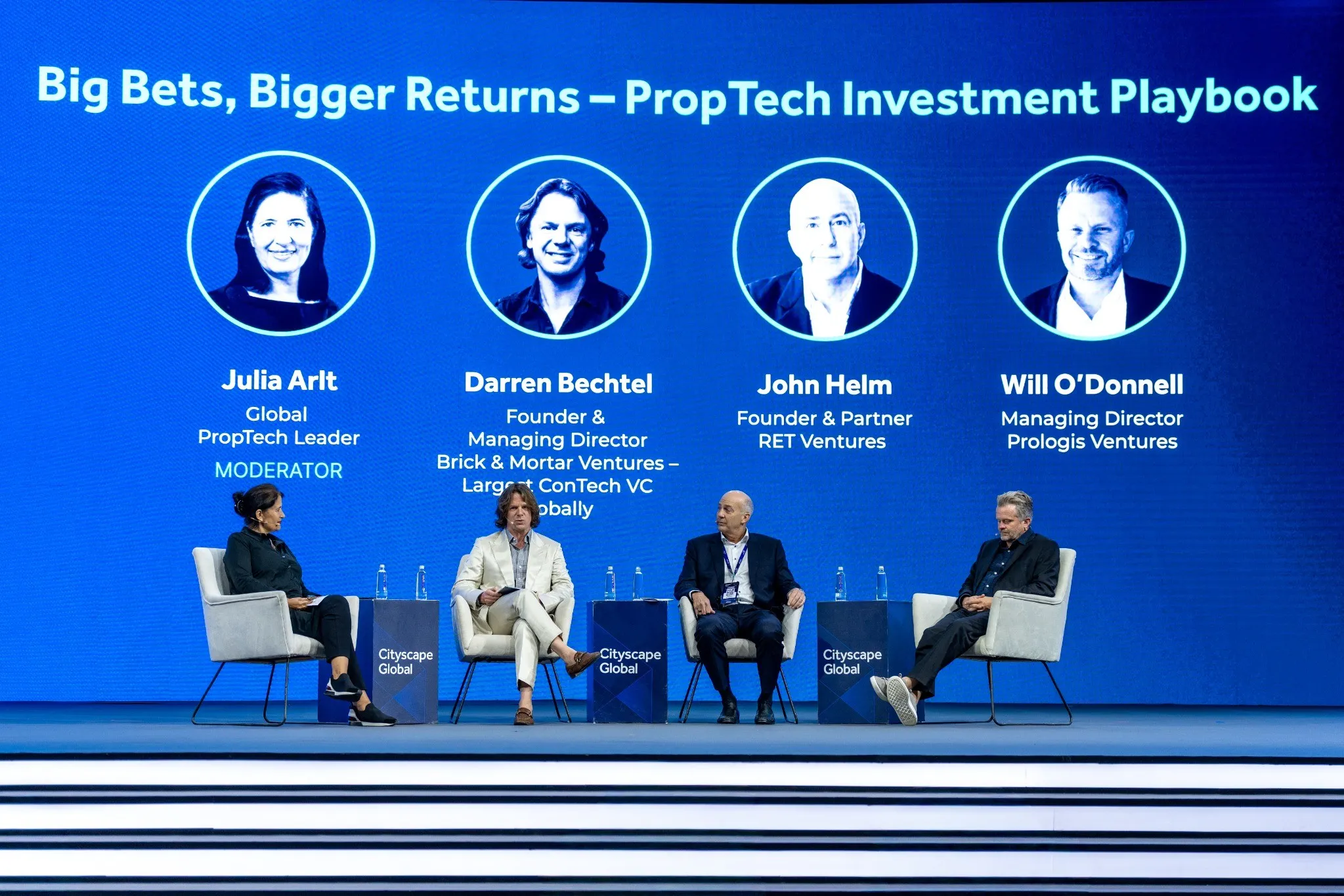
Green Concrete, Microgrids, Predictive Analytics – What VCs Are Betting on Now
Innovation occurs when you remove constraints. In the world of the built environment, those constraints have traditionally been physical, financial, and regulatory. But as global capital seeks outsized returns in an era of higher costs, the PropTech playbook is being rewritten. At a high-stakes session at Cityscape Global, three of the world’s leading venture capitalists revealed where the smart money is moving and why the future of real estate lies in the perfect marriage of bits and atoms.
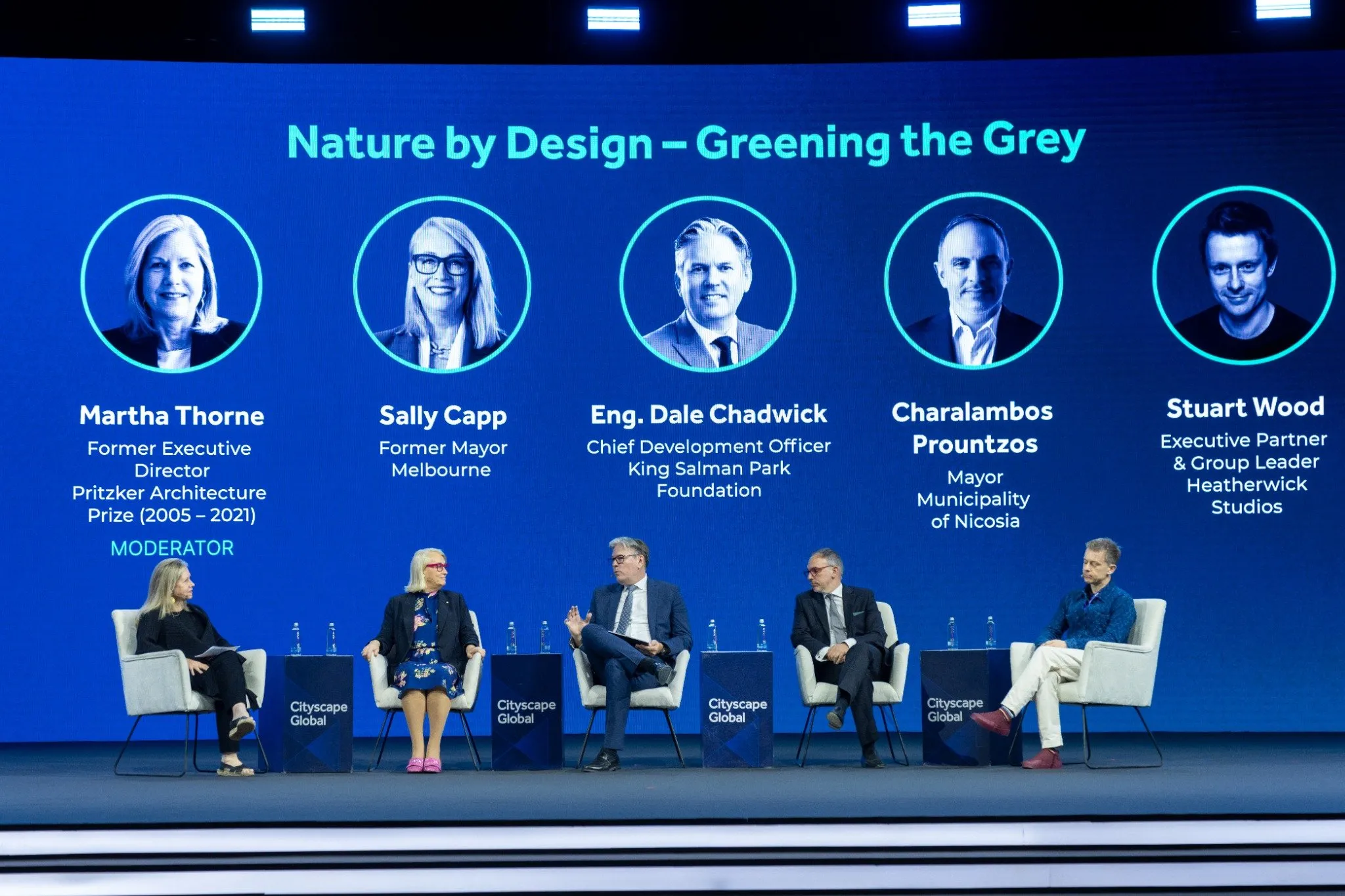
Why Green Infrastructure Is Becoming Cities’ Best Investment
For decades, urban development was synonymous with concrete, glass, and steel. But as cities grow denser and global temperatures rise, the 'monoculture' of the modern metropolis is being challenged. At a high-energy session at Cityscape Global, government leaders and design experts discussed a fundamental shift – nature is no longer a luxury add-on; it is an essential infrastructure for human survival and economic resilience.
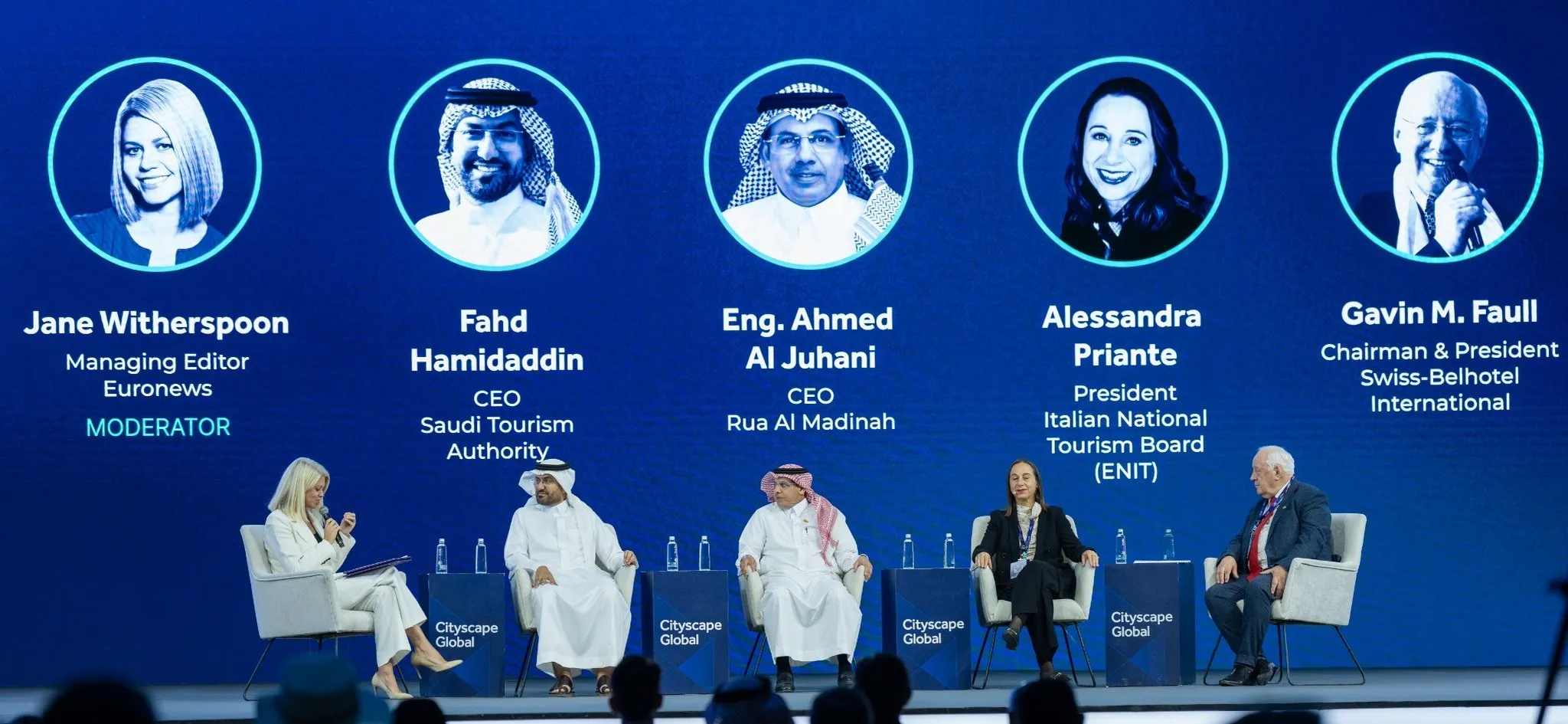
Five Principles Behind the World’s Most Successful Mega-Events
In the high-stakes world of city branding, mega-events are the ultimate catalysts. From the Winter Olympics to World Expos, these moments do more than capture global headlines; they reshape the very fabric of the host cities. But as the lights dim and the crowds depart, the real challenge begins: how do you transform a temporary surge into a permanent legacy of growth, tourism, and infrastructure?
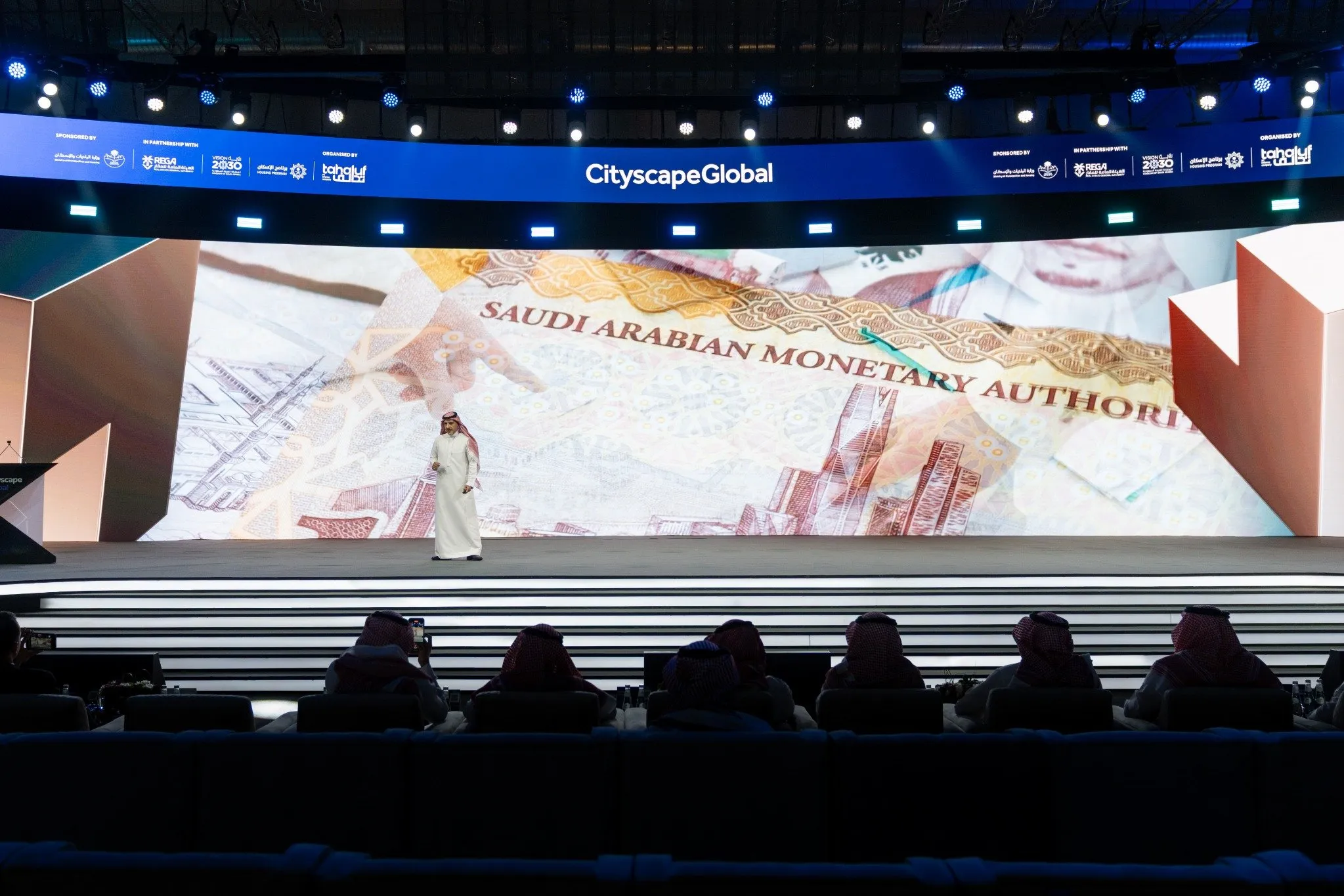
From Illiquid to Investable: How Saudi Arabia is Rewriting the Rules of Real Estate
The global real estate industry, valued at an astounding $400 trillion, is on the brink of a transformative revolution. Historically plagued by illiquidity and inefficiencies, the sector is now being redefined by groundbreaking initiatives introduced under Saudi Arabia's Vision 2030. At the heart of this transformation is the Real Estate Registry (RER), a national entity established by the Public Investment Fund (PIF) and the Saudi government, which is pioneering the standardization of real estate tokenization and fractional ownership. This bold vision is not just reshaping the local market but is opening doors for global investors to participate in a new era of real estate innovation
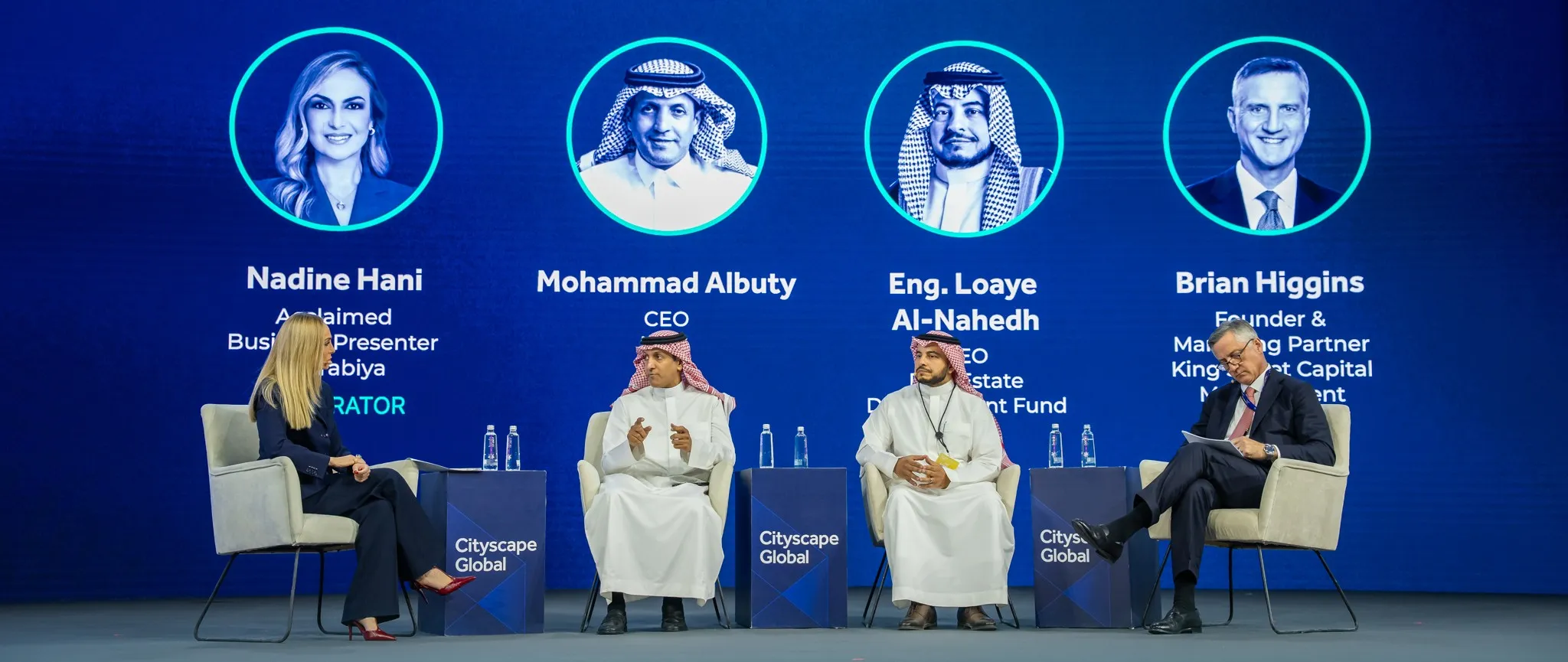
Saudi Arabia’s Real Estate: Renaissance Policy Reforms and Global Investment
Saudi Arabia’s real estate sector is entering a new era, driven by ambitious reforms, rising investor confidence, and a bold vision for sustainable growth. From expanding homeownership and attracting global partnerships to unlocking opportunities in PropTech, digitisation, and large-scale developments, the Kingdom is rapidly positioning itself as one of the world’s most dynamic real estate markets.
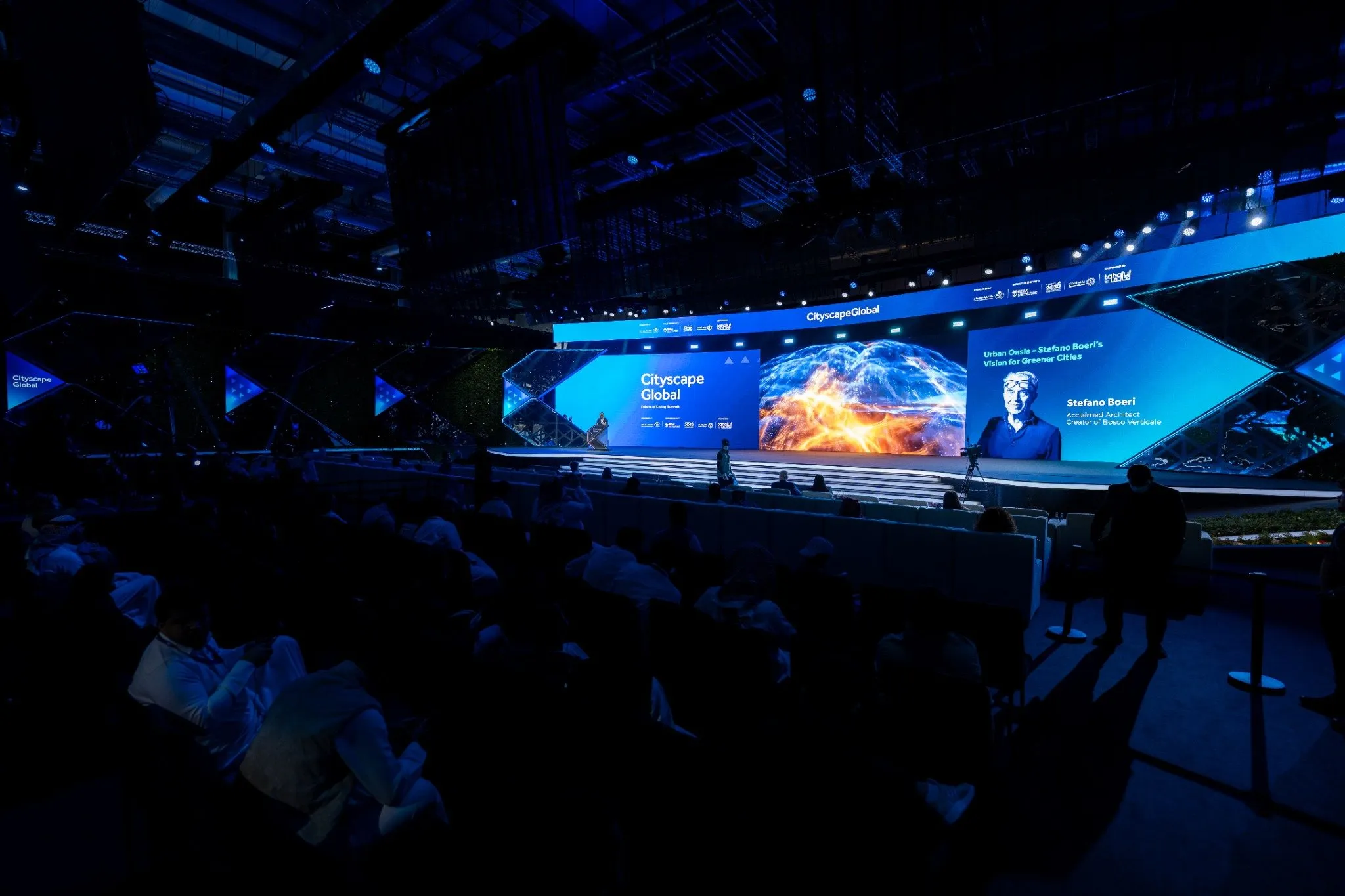
Cities Without Nature Won’t Survive – Stefano Boeri’s Plan for Green Architecture
From vertical forests to planetary green corridors, architect and urban planner Stefano Boeri challenges cities to rethink their relationship with nature – not just as an aesthetic layer, but as a condition for human survival. In the push to modernise cities, has nature become optional?
